The night sky has long been a source of fascination and wonder, a sprawling canvas of twinkling stars and mystical constellations. Yet, beyond its beauty, the sky holds secrets—ancient traditions and rituals that have been whispered through generations, often shrouded in mystery and nearly forgotten. These sky ceremonies, as we have come to call them, are remnants of cultures that understood the heavens in ways we are only beginning to rediscover.

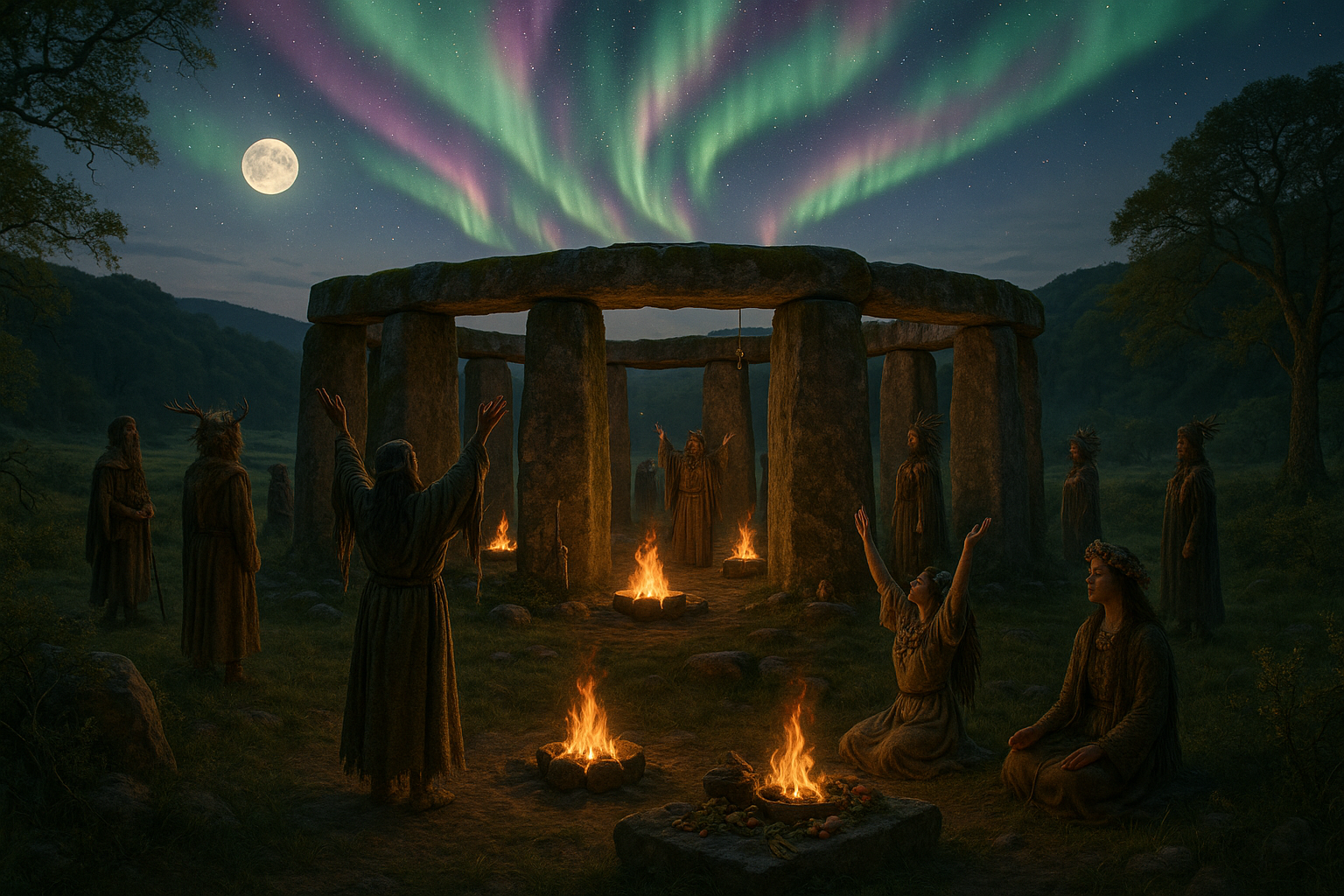
Imagine standing on a grassy hilltop, the cold wind brushing against your face, as you watch a group of people gather under the moonlight. The air is filled with anticipation, as drums begin to beat rhythmically, echoing the heartbeat of the Earth itself. These are not just mere gatherings; they are sacred rituals, ceremonies that connect humanity with the cosmos. Welcome to the enchanting world of forgotten sky ceremonies, a realm where ancient wisdom meets the modern quest for meaning.
In our fast-paced world, where technology often overshadows nature, there is a growing yearning to reconnect with the Earth and the skies above. These ceremonies offer a unique perspective, reminding us of the age-old relationship between humans and the celestial. 🌌 They are portals to understanding how different cultures interpreted celestial events and used them to mark time, celebrate life, and seek guidance from the universe.
The Celestial Connection
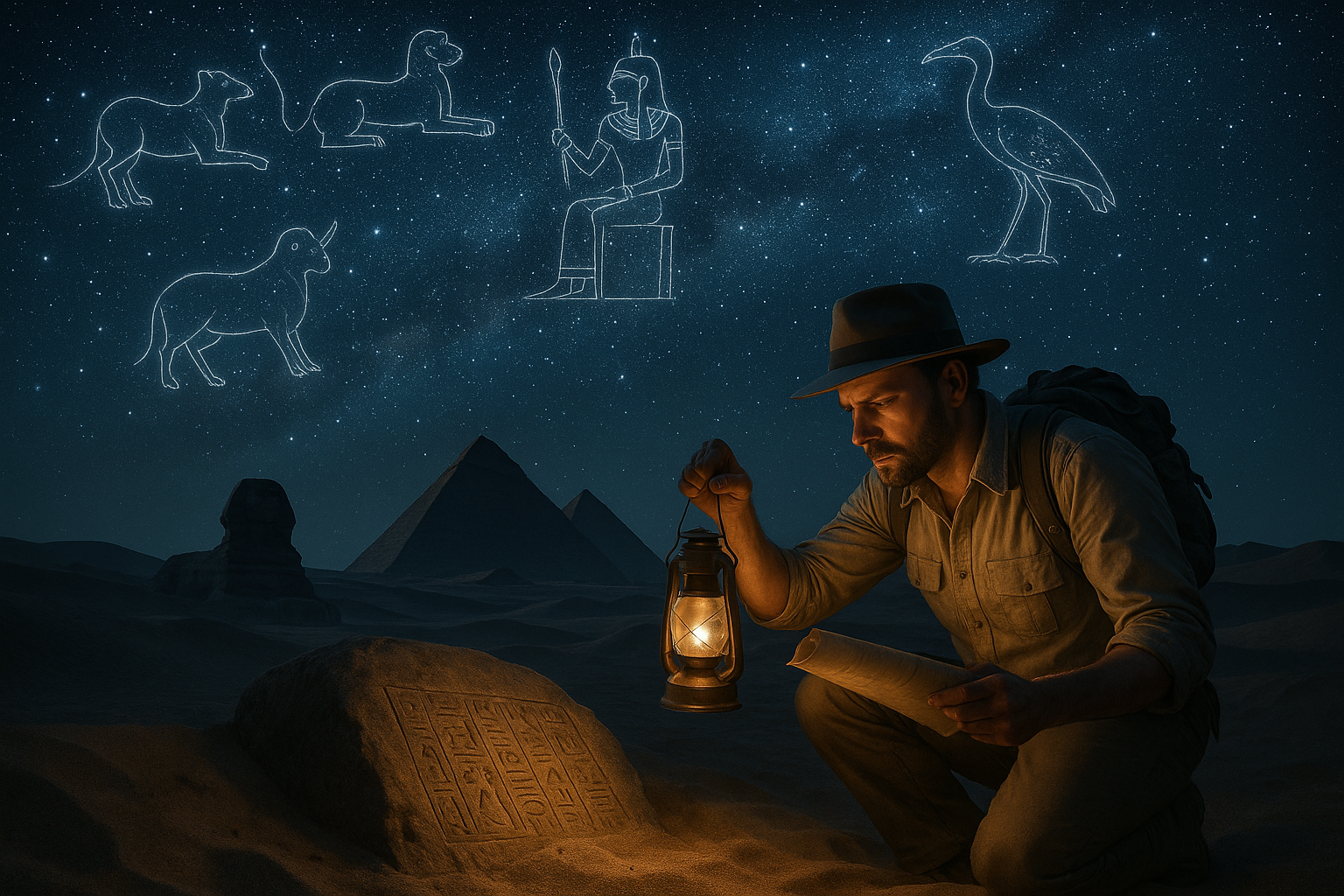
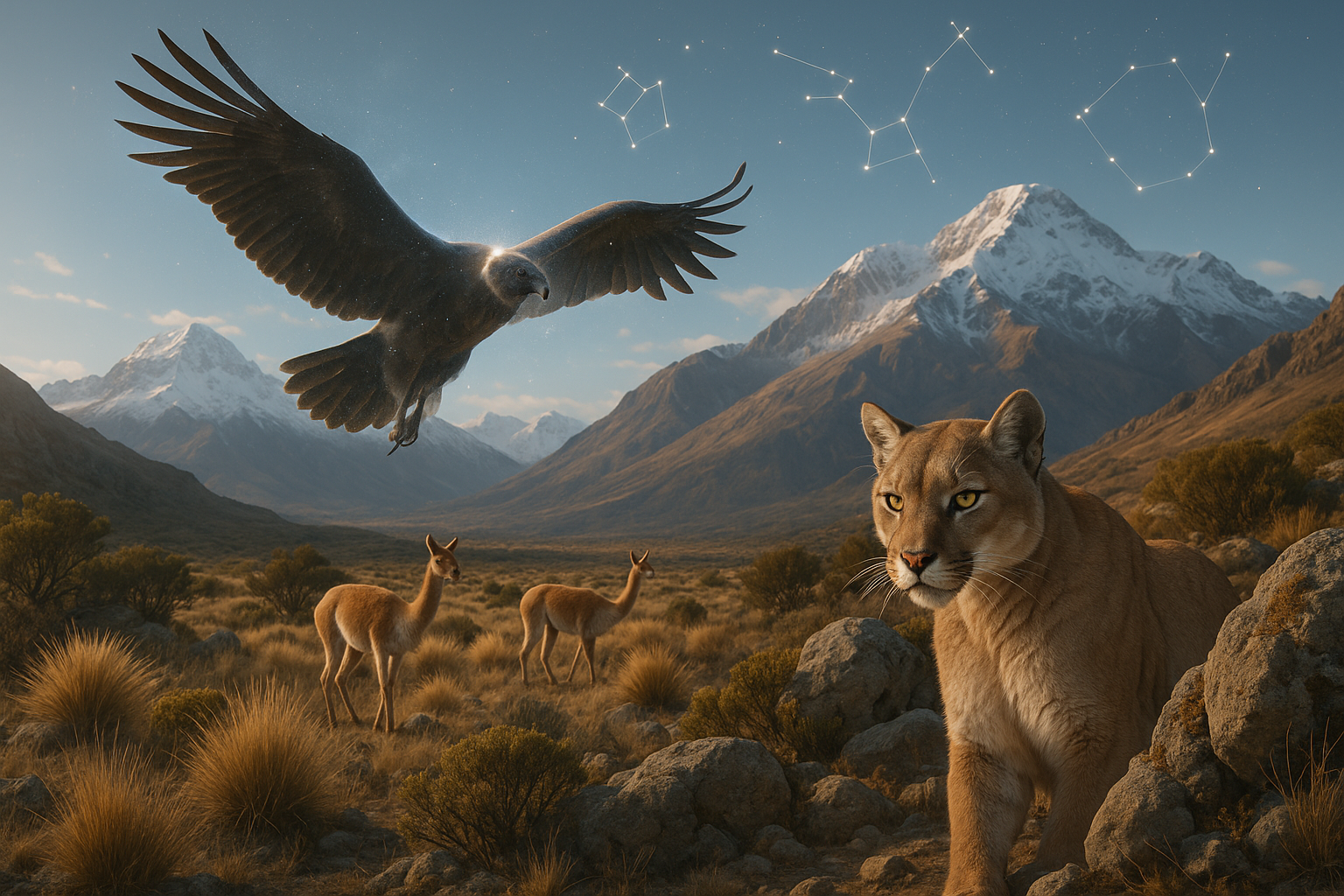
Every culture has looked to the skies for inspiration, guidance, and spiritual connection. The Incas, for example, worshipped Inti, the sun god, and believed that celestial events were messages from their deities. Similarly, the ancient Egyptians aligned their pyramids with the stars, demonstrating a profound understanding of astronomy. These civilizations saw the sky as a divine map, rich with symbols and stories that governed earthly existence.
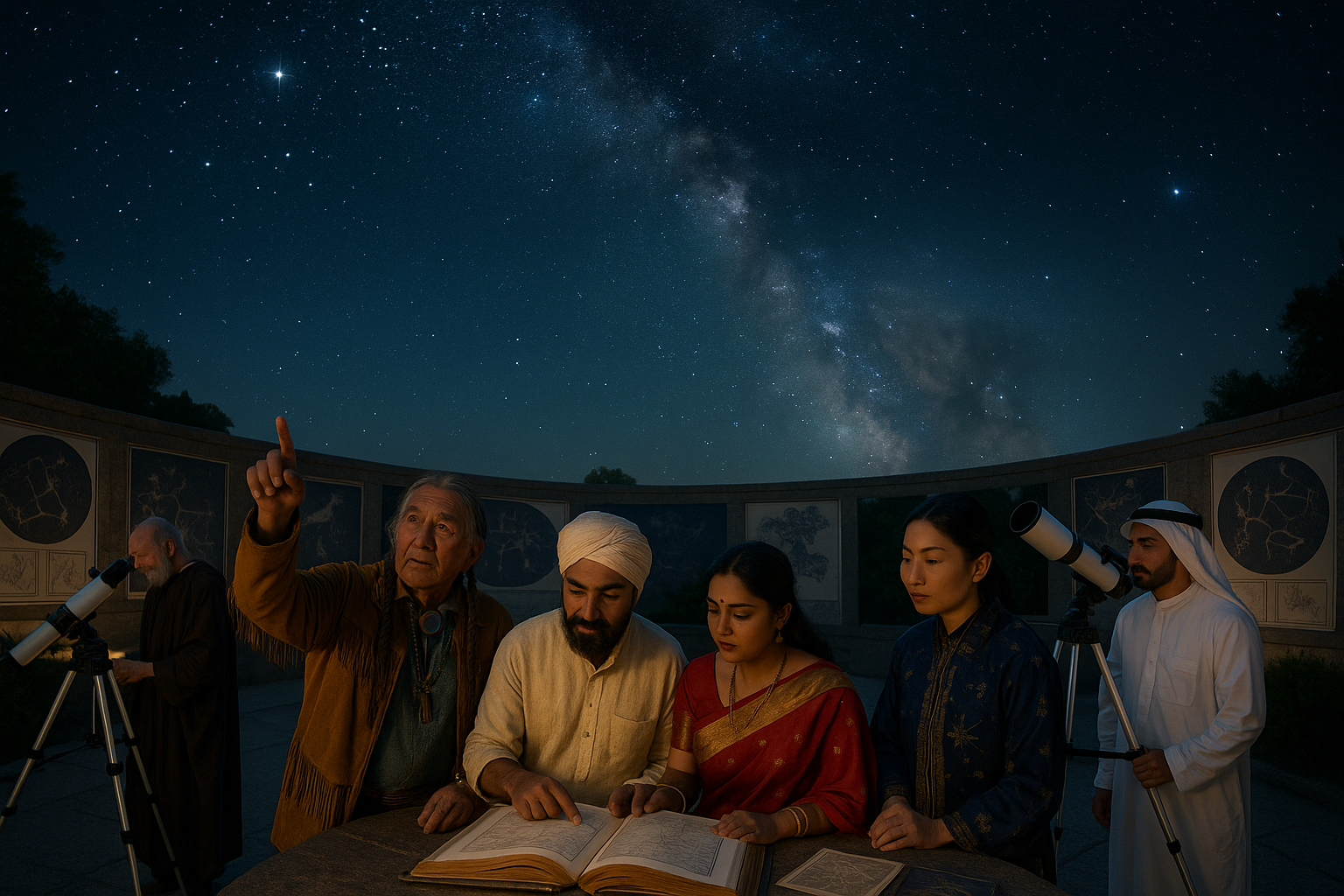
As we delve into this topic, we’ll explore how these ancient sky ceremonies were conducted and the meanings behind them. We’ll look at the tools and symbols used, from intricate star maps to sacred fires, each element holding a significance that transcends time.
The Role of Astronomy in Rituals
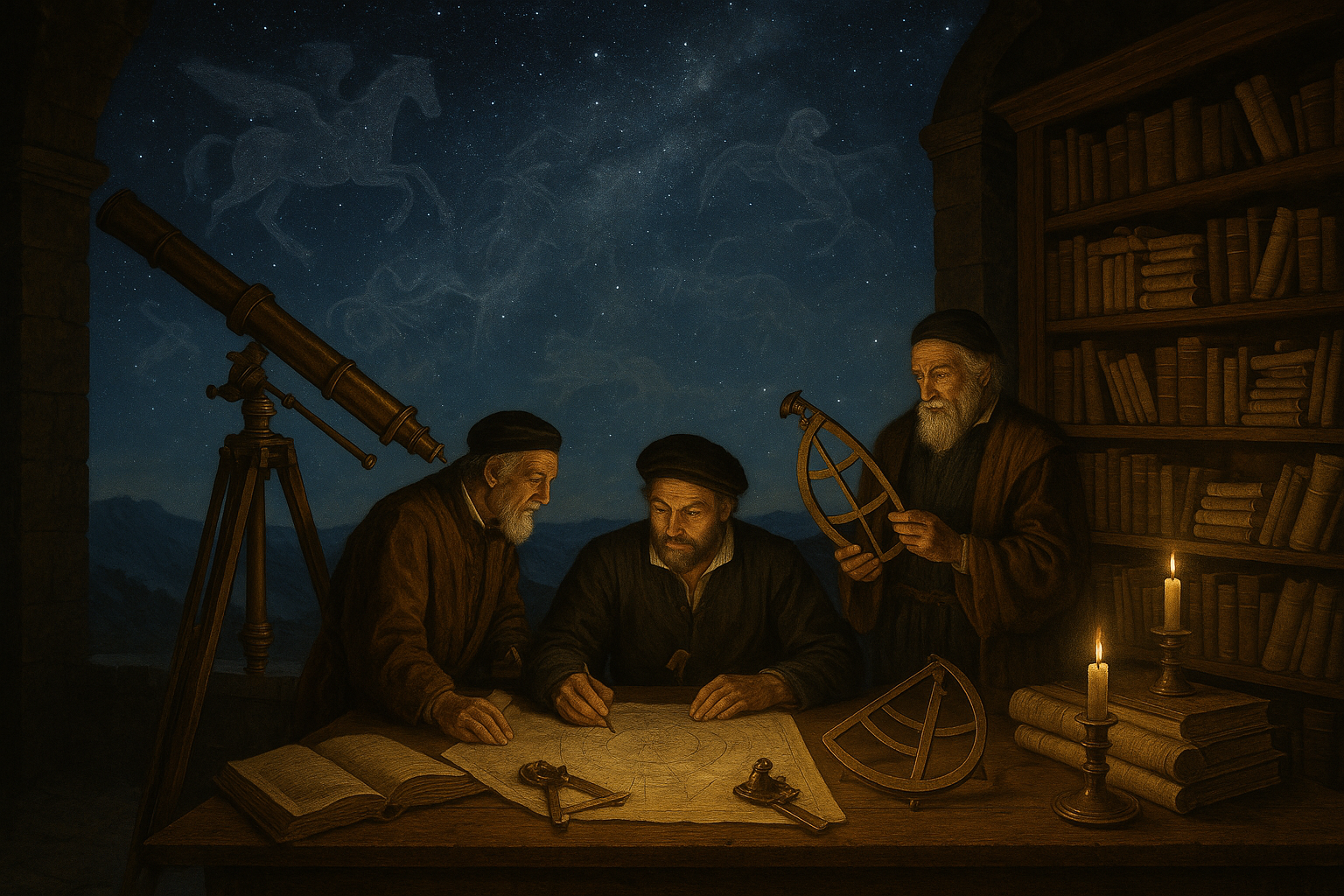
Astronomy has always played a pivotal role in sky ceremonies. Ancient astronomers were revered as wise sages, and their interpretations of the stars were integral to the timing and execution of these rituals. They observed the cycles of the moon, the dance of the planets, and the alignment of the stars, weaving these celestial patterns into the fabric of their societies.
Throughout this article, we’ll uncover how these early astronomers decoded the sky and how their legacy continues to influence our understanding of the universe today. 🌠 We’ll explore their methods and discoveries, which laid the groundwork for modern astronomy and continue to inspire stargazers around the globe.
The Mystical and the Magical
Sky ceremonies were not solely scientific; they were steeped in mysticism and magic. These events were designed to invoke wonder, evoke emotion, and create a profound sense of connection between participants and the cosmos. Rituals often included music, dance, and chants, transforming simple gatherings into transcendent experiences.
In our journey, we’ll dive into the enchanting elements that made these ceremonies magical. We’ll explore how participants prepared for these events, the rituals they performed, and the spiritual transformations they experienced. We’ll also discuss how these ancient practices are being revived and adapted in today’s world, where the search for spirituality and meaning is more relevant than ever.
As we navigate through this captivating exploration, you’ll discover that forgotten sky ceremonies are not relics of the past, but living traditions that continue to inspire awe and curiosity. They offer a unique lens through which we can view our place in the universe, reminding us that, despite the passage of time, the sky remains an eternal source of magic and mystery. 🌌
So, prepare to embark on a journey across time and space, as we unveil the secrets of these mystical sky ceremonies. Whether you’re an avid stargazer, a history enthusiast, or someone simply seeking to reconnect with the natural world, this exploration promises to illuminate the path to a deeper understanding of our cosmic heritage.
Conclusion
## A Journey Worth Taking
As we’ve explored throughout this article, the forgotten sky ceremonies of ancient cultures offer us far more than historical curiosity—they provide a bridge to understanding our place in the cosmos and reconnecting with rhythms that modern life has obscured. From the intricate solar alignments of Stonehenge to the celestial observations of the Maya, these practices remind us that looking upward has always been fundamental to the human experience. Our ancestors didn’t simply watch the sky; they wove it into their spiritual fabric, their agricultural calendars, and their sense of community. By rediscovering these ceremonies, we’re not just preserving the past but enriching our present with deeper meaning and perspective.
The beauty of reviving these sky ceremonies lies in their accessibility and adaptability. You don’t need specialized equipment or scholarly expertise to begin incorporating celestial awareness into your life. Start by marking the solstices and equinoxes, gather with friends to watch a meteor shower, or simply commit to observing the moon’s phases each month. Many communities are already organizing star parties, dark sky initiatives, and seasonal celebrations that echo these ancient traditions. These gatherings create opportunities to slow down, disconnect from screens, and reconnect with the natural world that surrounds us. They remind us that we’re part of something vast and ancient, participating in the same cosmic dance that captivated our ancestors thousands of years ago.
The sky ceremonies of old were never truly forgotten—they’ve been waiting patiently above us all along, ready to be reclaimed by anyone willing to look up with intention and wonder. By bringing these practices back into our lives, we honor the wisdom of those who came before us while creating new traditions for generations to come.