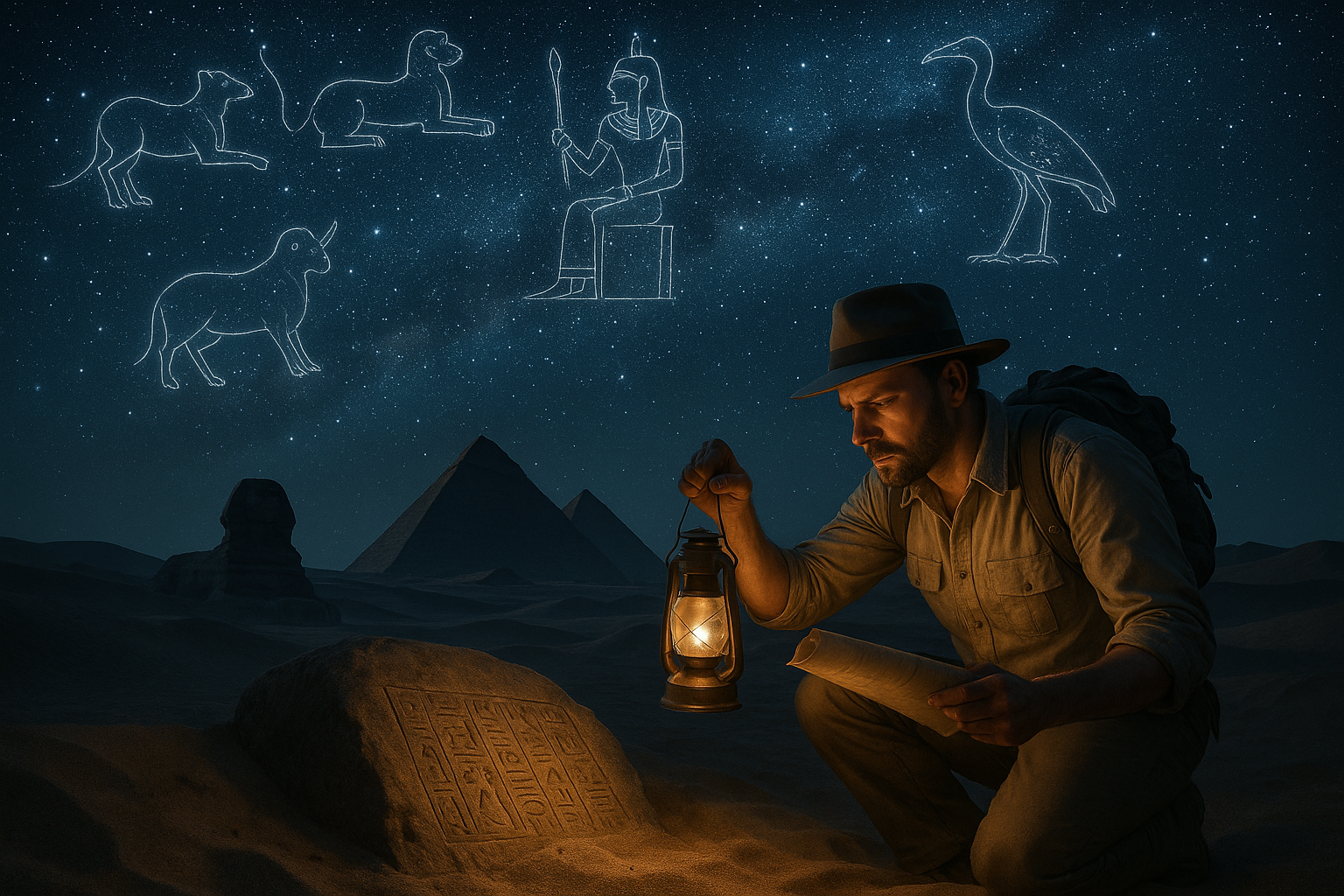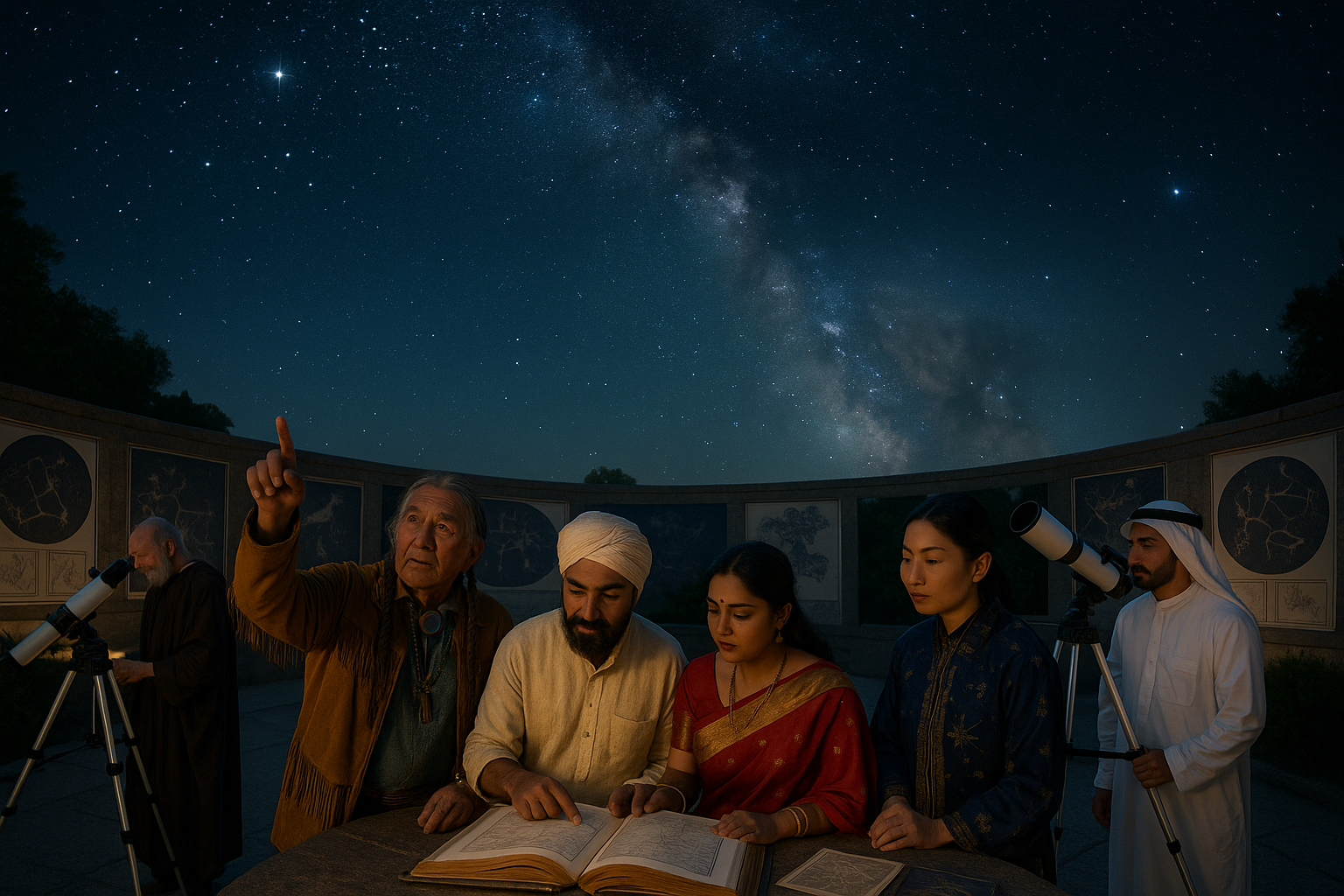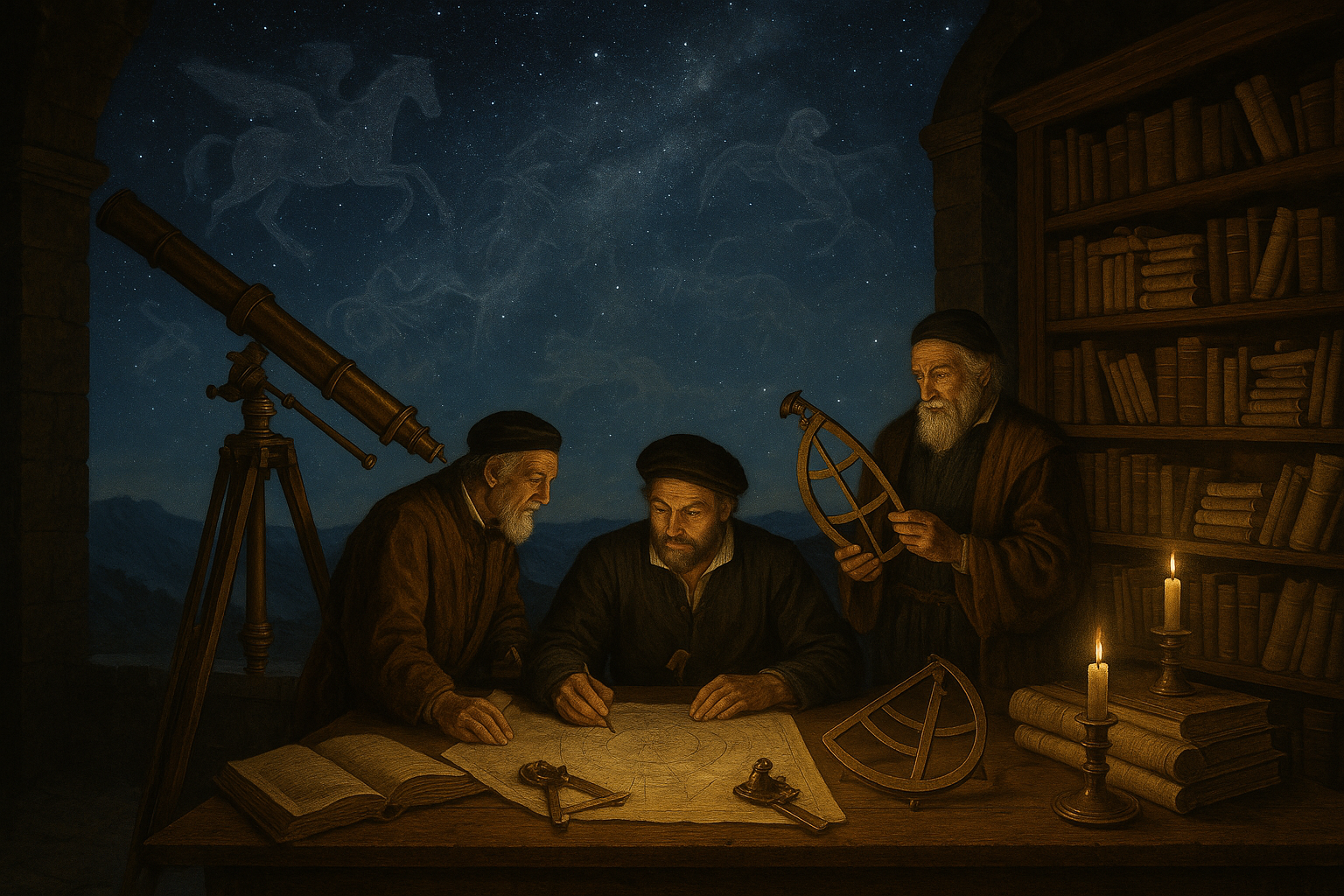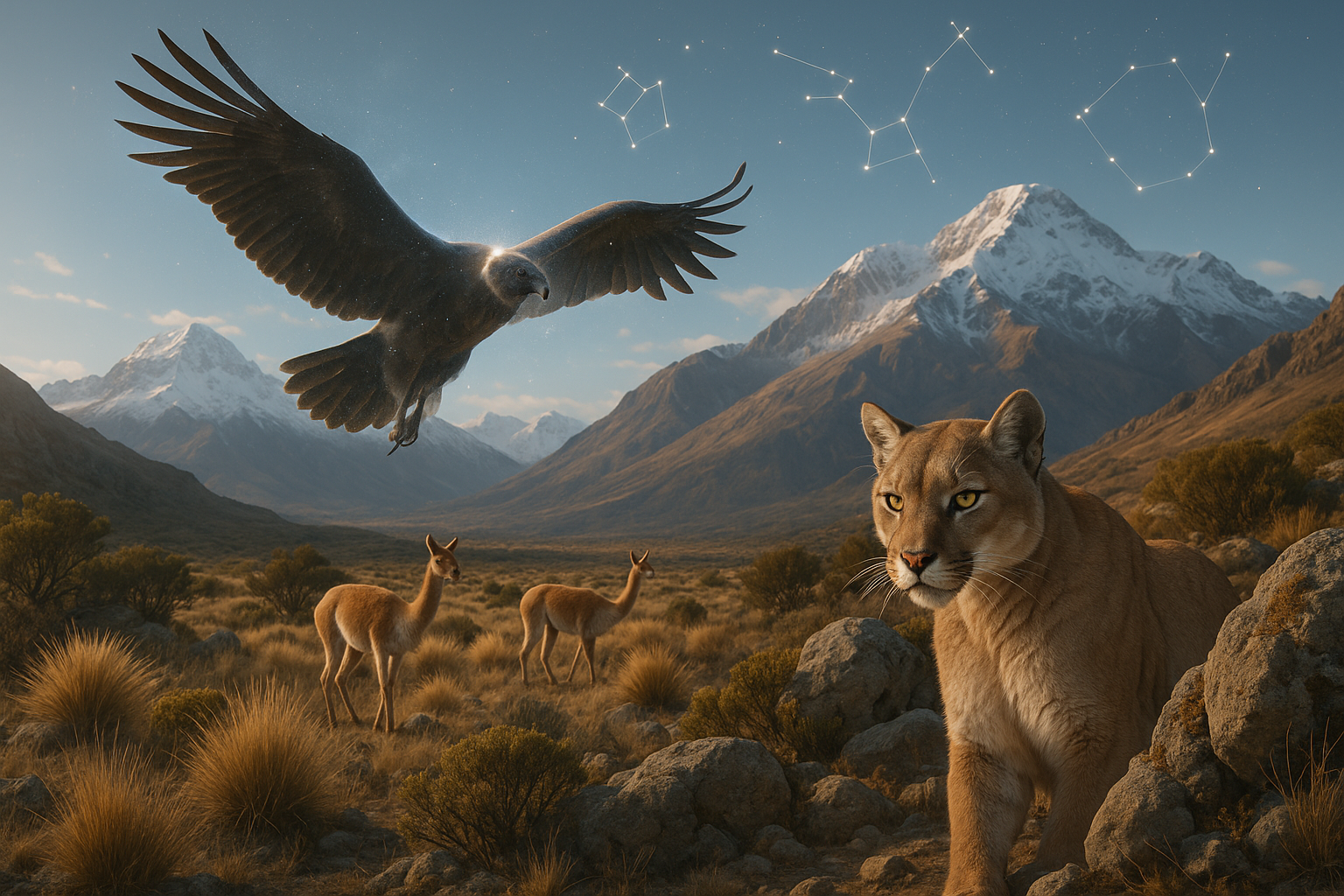
As the night sky stretches infinitely above us, it has, for millennia, captured the human imagination. From the earliest civilizations to the modern era, the stars have been both guides and muses, inspiring countless stories and myths. But beyond the well-known constellations and mythologies of ancient Greece and Rome, there exist countless tales from lesser-known cultures, each offering a unique lens through which to view the cosmos. In this exploration, we delve into the rich and fascinating lore of obscure tribes, unveiling ancient star secrets that have been shrouded in mystery for centuries. ✨

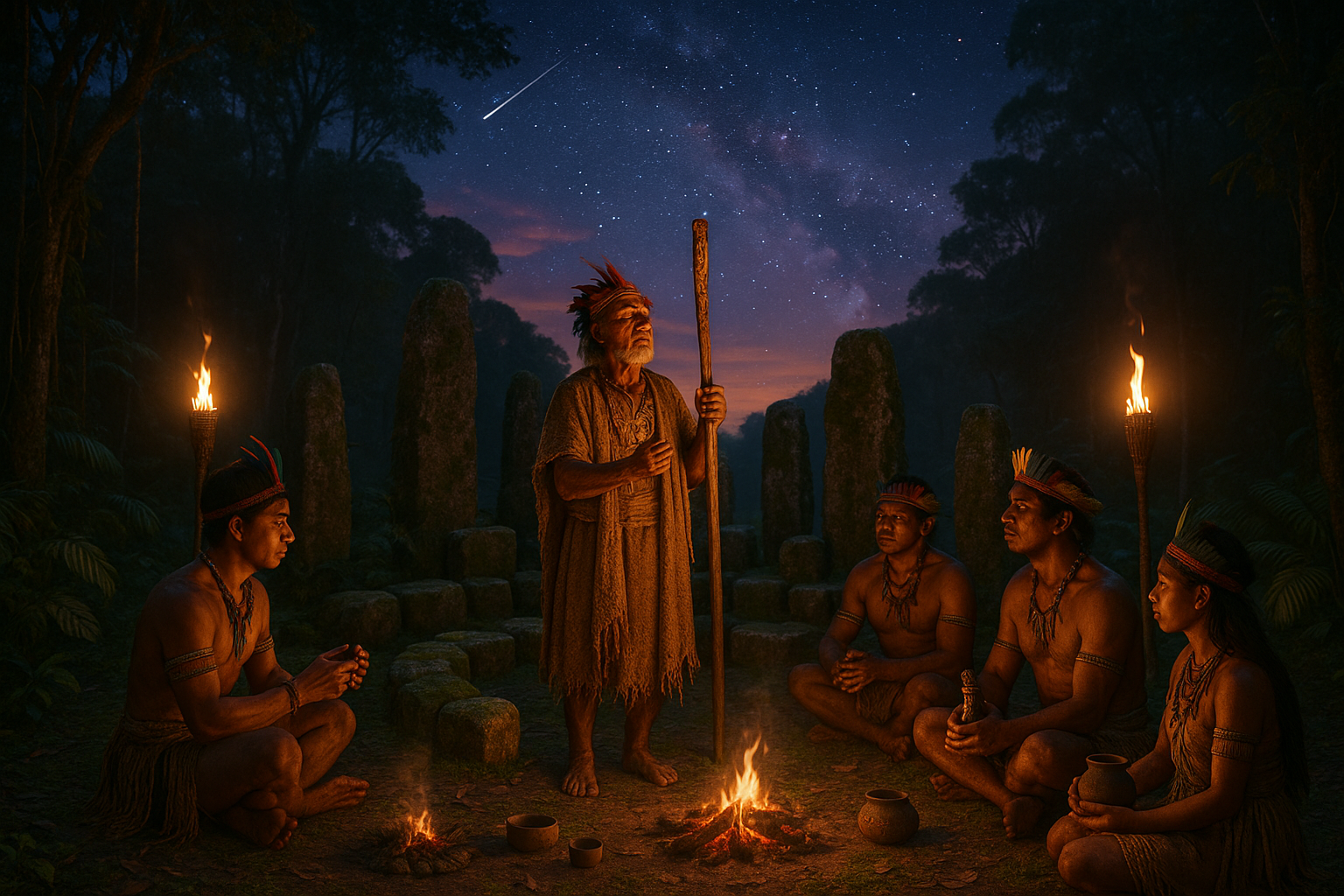
Imagine a world where the stars not only illuminate the night but also dictate the very rhythms of life. This is the reality for many indigenous tribes whose understanding of the cosmos goes beyond mere observation. For them, the stars are alive, imbued with spirits and stories that guide their daily lives. As we uncover these narratives, we find ourselves transported to distant lands, where the celestial bodies are not just points of light, but key players in the cosmic theater of life.
One such tribe, the Dogon people of Mali, have long fascinated anthropologists and astronomers alike. Their intricate knowledge of the Sirius star system, including the invisible companion star Sirius B, was once thought to be beyond the reach of ancient technology. How did this isolated tribe acquire such precise astronomical data? The answer lies in their rich oral traditions and spiritual practices, which intertwine with their understanding of the cosmos.
Similarly, the Aboriginal Australians possess star lore that stretches back tens of thousands of years. Their night sky stories, passed down through generations, serve as both a cultural repository and a practical guide for survival. From navigating vast distances across the continent to understanding seasonal changes, their celestial narratives are as pragmatic as they are poetic. These stories not only connect them to their ancestors but also to the land itself, highlighting an intrinsic bond between earth and sky.
As we journey through these tales, we’ll also explore the star myths of the Maori, whose navigational prowess enabled them to traverse the vast Pacific Ocean long before the advent of modern technology. The celestial knowledge of the Maori is encoded in their songs and chants, which serve as mnemonic devices for navigation and cultural transmission. These stories illustrate the profound impact of the stars on human history and the ingenuity with which different cultures have harnessed their celestial knowledge.
Our exploration will take us to the deserts of the American Southwest, where the Navajo weave intricate stories of the constellations into their cultural tapestry. For the Navajo, the night sky is a reflection of the earthly world, with each star and constellation representing elements of their environment and spiritual beliefs. These stories serve as both entertainment and moral lessons, guiding the tribe in their interaction with the world around them.
But what is it about the stars that makes them such a universal source of wonder and inspiration? Perhaps it is their permanence in an ever-changing world, or the way they spark our innate curiosity and drive to explore. As we delve into the cosmic narratives of these obscure tribes, we not only gain insight into their cultures but also reflect on our own connection to the universe.
This article will unravel these ancient star secrets, exploring how these diverse tribes interpret the cosmos and what these interpretations reveal about human nature. We’ll examine the blend of mythology, science, and spirituality that characterizes their star lore, offering a fresh perspective on the age-old relationship between humans and the stars.
In this journey across cultures and time, prepare to have your imagination ignited by stories that challenge our understanding of the universe. From the spiritual to the scientific, the playful to the profound, these celestial tales invite us to look up and wonder anew. So grab a cup of tea, find a cozy spot under the night sky, and join us as we unveil the ancient star secrets of obscure tribes. 🌌
Conclusion
## Conclusion
The ancient wisdom embedded in star lore represents far more than primitive attempts to explain the night sky. These celestial narratives served as sophisticated systems of timekeeping, navigation, agricultural planning, and cultural transmission that allowed civilizations to thrive for thousands of years. From the Aboriginal Australians who encoded practical survival knowledge into their constellation stories, to the Polynesians who traversed vast oceans using stellar pathways, to the Greeks whose mythological framework still names our constellations today, these astronomical traditions reveal the ingenuity and observational skills of our ancestors. They remind us that scientific inquiry and storytelling need not be opposing forces, but can work together to create meaningful understanding of our place in the cosmos.
What makes ancient star lore particularly relevant today is its holistic approach to knowledge. While modern astronomy has given us unprecedented technical understanding of stellar mechanics, distances, and compositions, we’ve largely severed the emotional and cultural connections that once bound humanity to the heavens. Many indigenous communities continue to maintain these living traditions, offering us an opportunity to learn not just about the stars themselves, but about sustainable relationships with the natural world and the importance of passing wisdom across generations. As light pollution increasingly separates urban populations from the night sky, revisiting these ancient perspectives becomes an act of cultural recovery and ecological awareness.
The stories our ancestors told beneath star-filled skies weren’t just entertainment around the campfire—they were encyclopedias of accumulated knowledge, moral frameworks, and connections to something greater than ourselves. By studying and honoring these traditions, we don’t retreat from scientific progress but rather enrich our understanding of both the universe above and the diverse brilliance of human culture here on Earth.