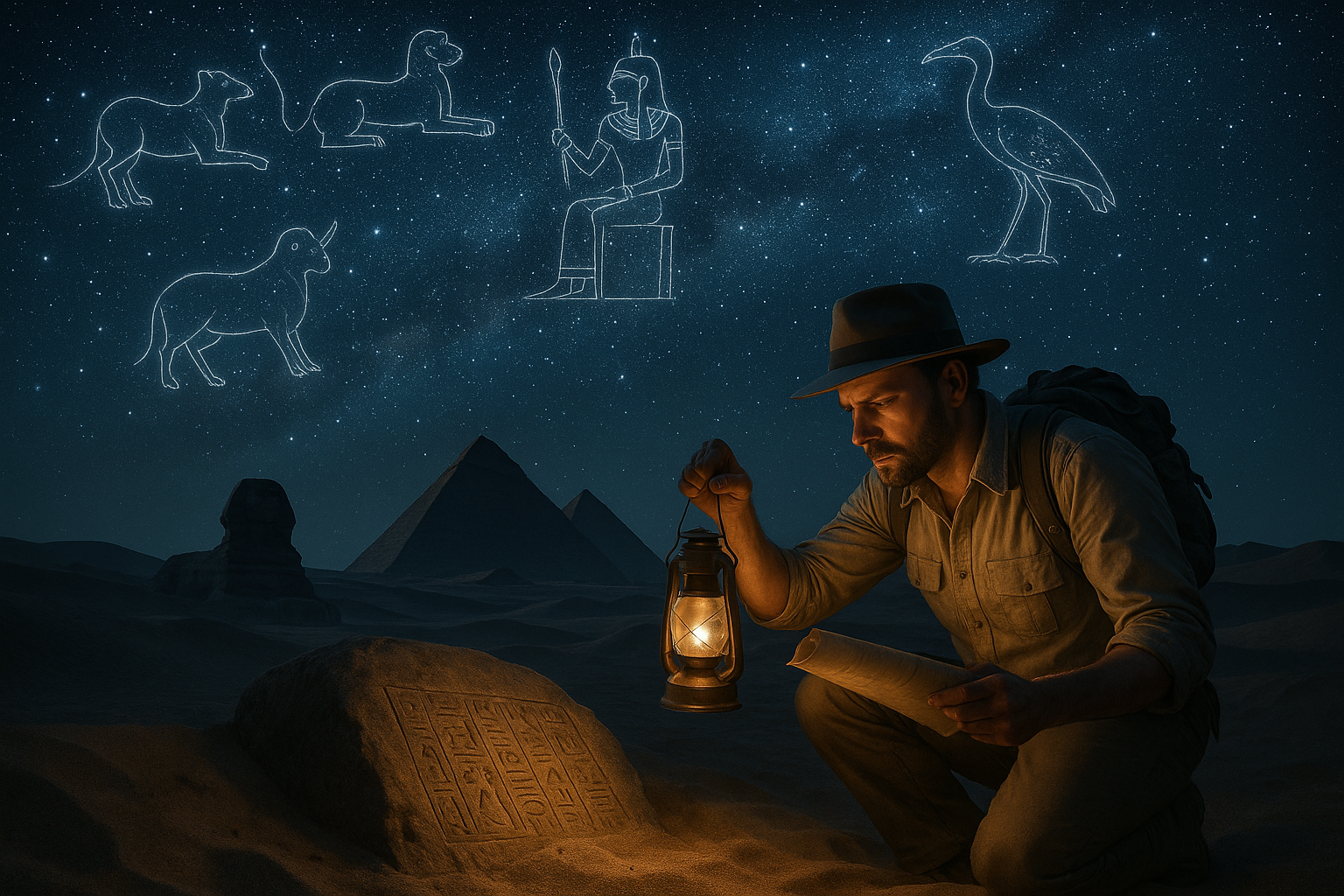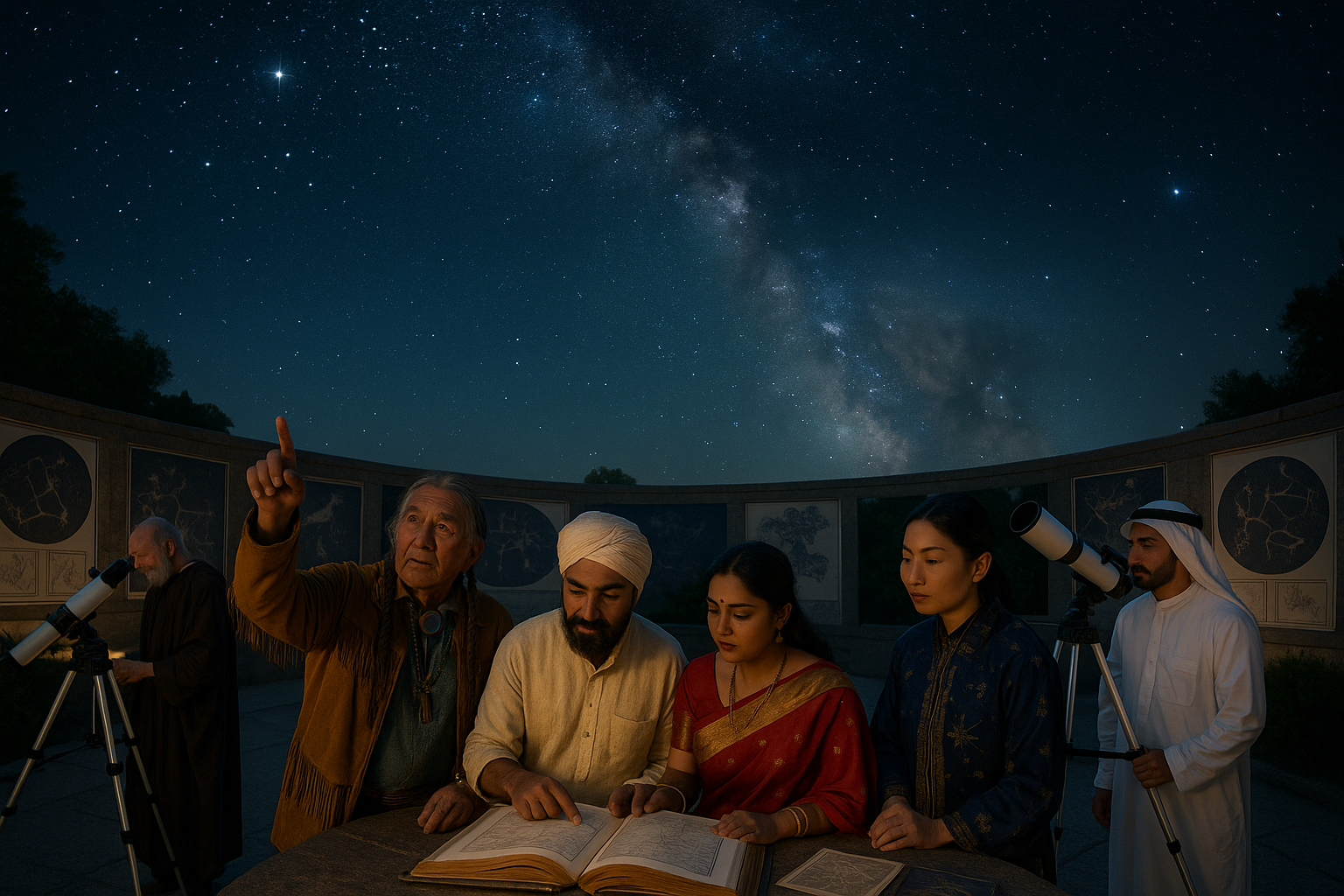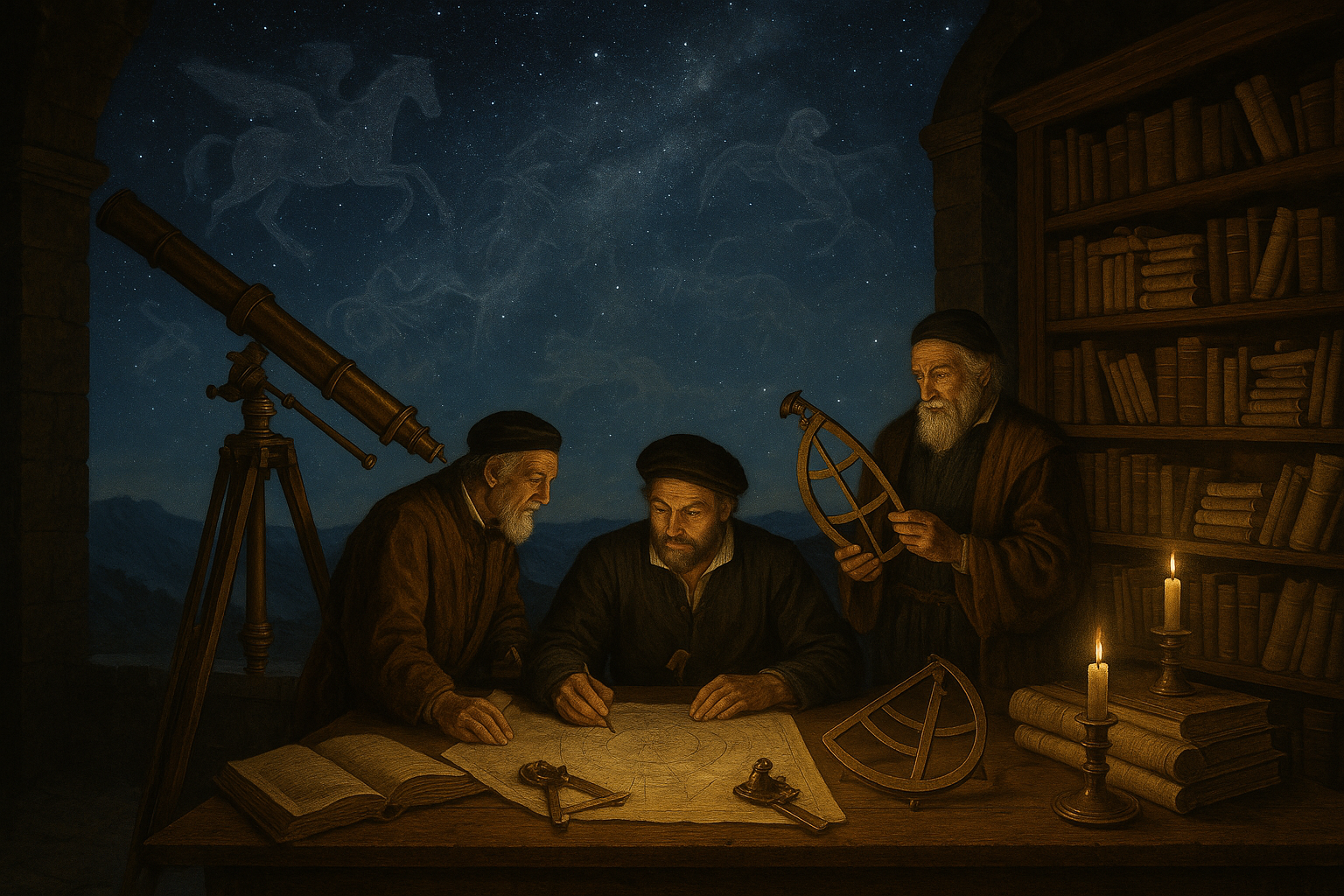
Astrology has fascinated humanity for millennia, weaving its influence through cultures, philosophies, and even scientific inquiries. Yet, in the age of information, where knowledge is just a click away, many astrological myths persist, casting a shadow over this ancient practice. These myths, some benign, others misleading, often blur the lines between fact and fiction, leaving us to wonder: what does astrology truly represent in modern times? 🌌

Today, astrology seems to live a dual life. On one hand, it enjoys a renaissance of interest, with more people than ever turning to the stars for guidance, self-reflection, and even entertainment. On the other hand, it faces scrutiny and skepticism, particularly from the scientific community, which often dismisses it as pseudoscience. However, the truth, as is often the case, resides somewhere in between.
The aim of this article is to illuminate the misconceptions surrounding astrology, providing a balanced view that honors both the tradition and the contemporary understanding of this celestial art. We’ll embark on a journey to dissect some of the most entrenched astrological myths, exploring their origins, their evolution, and their relevance—or irrelevance—in today’s world.
One prevalent myth is the belief that astrology claims to predict the future with absolute certainty. This misconception not only undermines the complexity of astrological interpretations but also sets unrealistic expectations for those seeking definitive answers. We’ll delve into the nuances of astrological forecasts, examining how they serve more as guides rather than fixed prophecies, emphasizing the role of free will and personal agency in shaping our destinies.
Another common myth is the reductionist view that astrology merely involves sun signs, those ubiquitous horoscopes found in magazines and newspapers. While sun signs do play a role, astrology is far more intricate, encompassing the positions of the moon, planets, and even asteroids at the time of one’s birth. We’ll explore the rich tapestry of a full natal chart, demonstrating how these elements interplay to provide deeper insights into personality and life patterns.
The skepticism around astrology often stems from its association with superstition and the supernatural. Critics argue that astrology lacks scientific validity, dismissing it as nothing more than a relic of ancient belief systems. However, we’ll examine astrology through a cultural and historical lens, acknowledging its role as a tool for introspection and personal growth, rather than a scientifically proven method of divination.
Furthermore, we’ll address the myth that astrology remains static, untouched by modern developments. In reality, astrology has evolved, integrating new astronomical discoveries and adapting to the changing needs of society. We’ll look at how contemporary astrologers incorporate current events and psychological insights, bridging the gap between the celestial and the earthly.
In dispelling these myths, it’s crucial to approach the subject with an open mind, recognizing the value of astrology as both an art and a science of symbolism. By doing so, we can appreciate its contribution to our understanding of human behavior, relationships, and the greater cosmos.
Join us as we embark on this enlightening exploration, shedding light on the truths that lie behind the myths, and discovering how astrology, despite its ancient roots, continues to find relevance in our modern lives. With a clearer understanding, perhaps we can better appreciate the stars not just as distant orbs, but as a reflection of the ever-evolving tapestry of life. ✨
Conclusion
## Conclusion
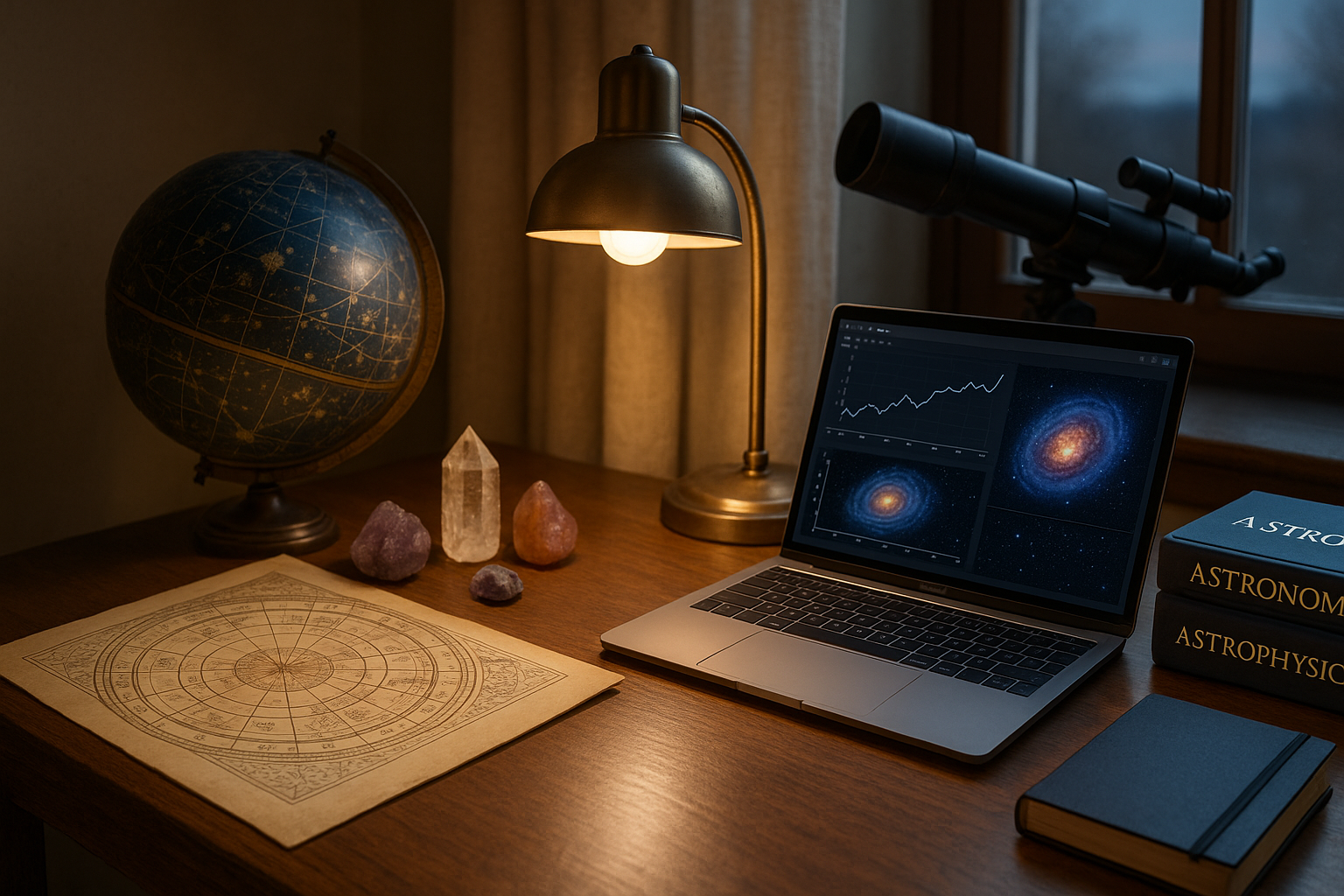
As we’ve explored throughout this article, astrology has long been shrouded in misconceptions and half-truths that often overshadow what it actually represents. From the idea that your sun sign alone determines your entire personality to the belief that astrology predicts exact future events, these myths have created unnecessary skepticism and misunderstanding. The reality is far more nuanced and interesting than many critics or even enthusiasts realize. Astrology isn’t about rigid predictions or one-size-fits-all personality templates—it’s a complex symbolic language that offers one lens through which people can reflect on patterns, timing, and personal growth.
Understanding what astrology actually is versus what popular culture has made it out to be empowers you to approach it with both curiosity and critical thinking. Whether you’re a devoted practitioner, a curious skeptic, or someone who simply enjoys reading your horoscope with your morning coffee, separating fact from fiction allows for more meaningful engagement. It’s perfectly reasonable to appreciate astrology’s rich historical and cultural significance while also recognizing its limitations. The key is moving beyond the stereotypes and making informed decisions about what resonates with your own experience and worldview.
Rather than dismissing astrology entirely based on myths or accepting it without question, we can choose a middle path that honors both wonder and wisdom. By debunking these common misconceptions, we create space for more honest conversations about why this ancient practice continues to captivate millions of people across cultures and generations. Whatever your personal stance may be, approaching astrology—or any belief system—with an open mind and a commitment to accuracy benefits everyone involved in the conversation.