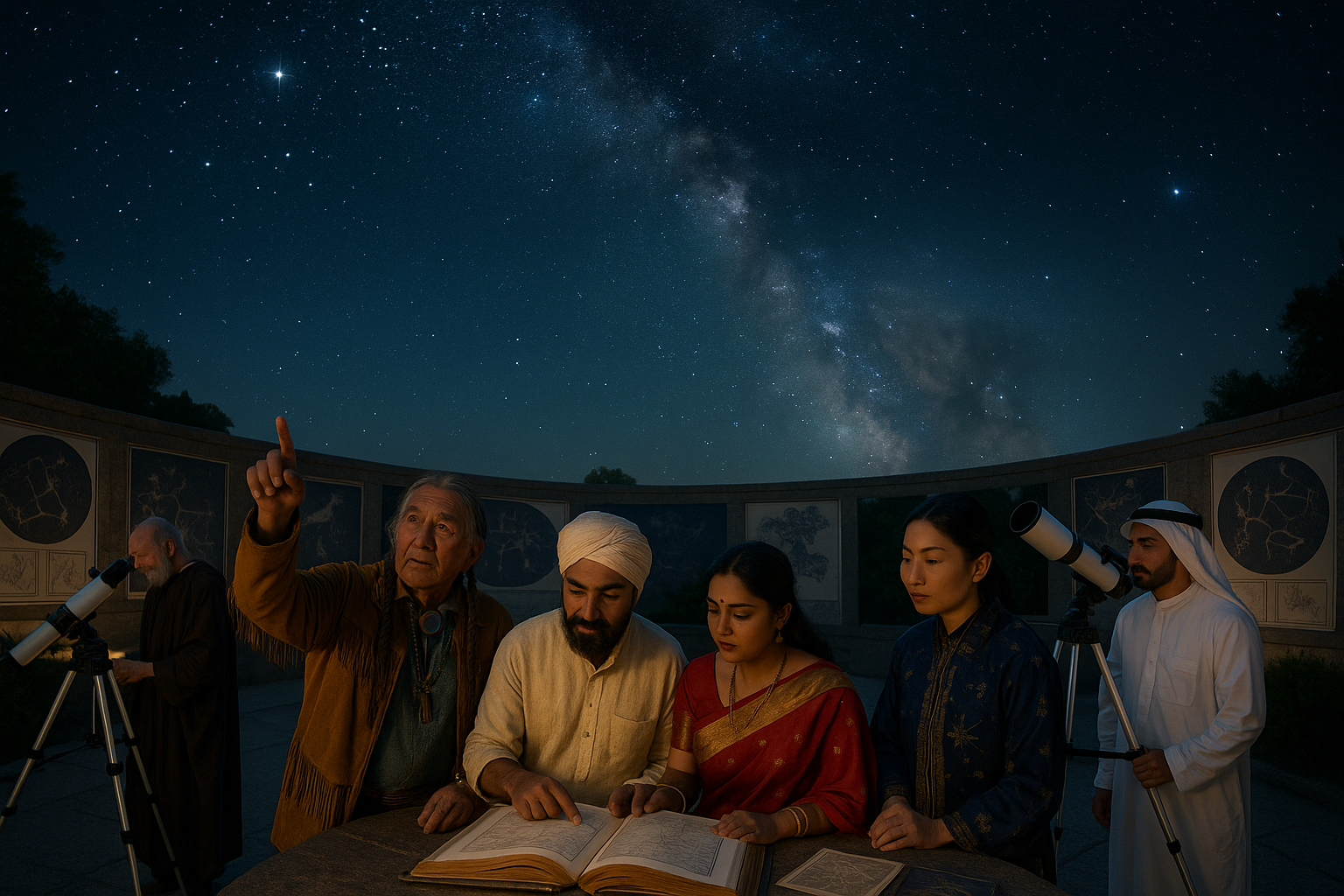
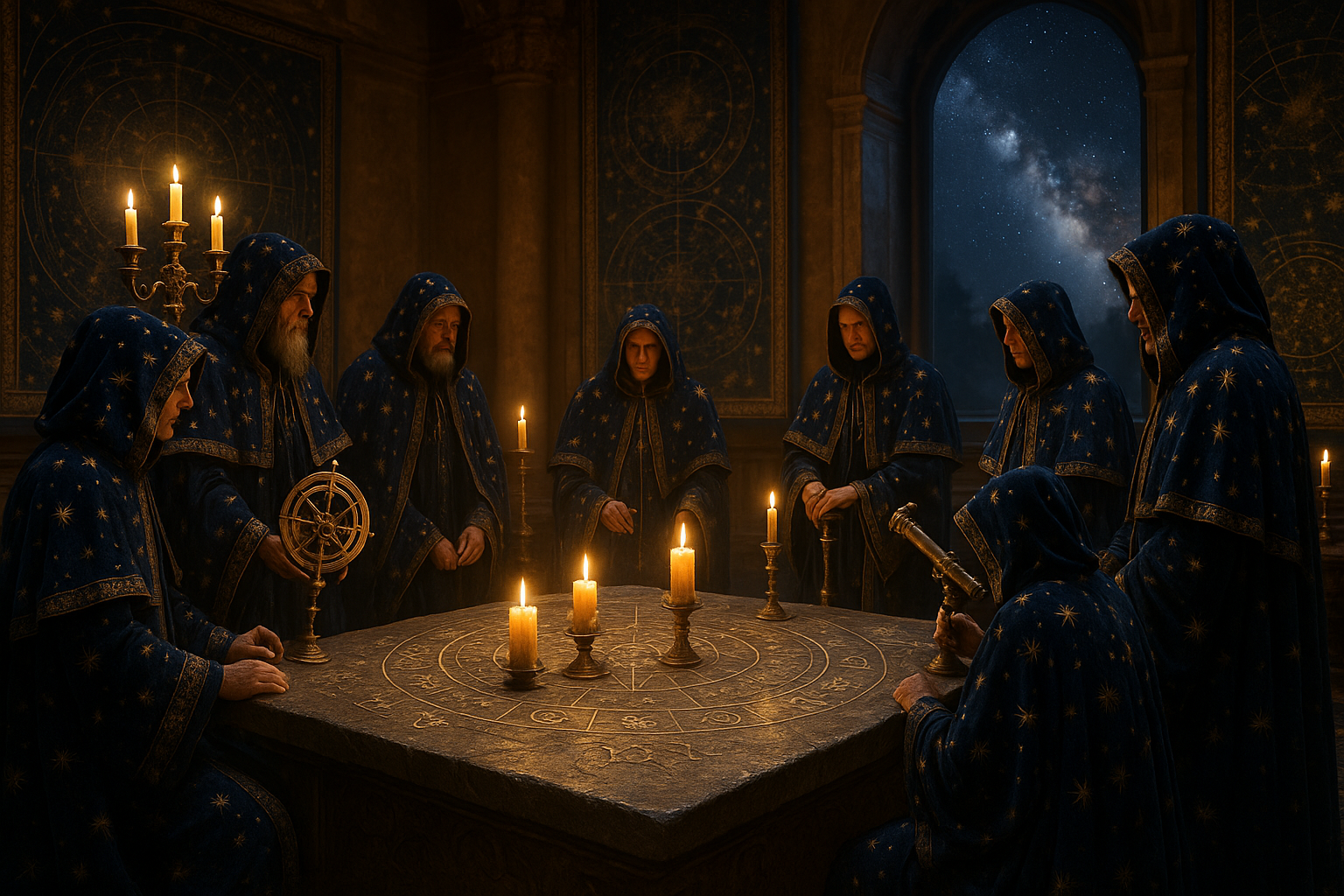
In a world where the night sky has inspired countless myths, legends, and scientific inquiries, the fascination with stars extends beyond mere observation. Throughout history, various cultures and societies have not only revered the celestial bodies but have also woven them into the very fabric of their spiritual and philosophical beliefs. 🌌 These beliefs have sometimes given rise to secret societies centered around stellar worship, enigmatic groups shrouded in mystery and speculation. This article embarks on a journey to uncover the hidden stories and philosophies of these stellar worship secret societies, exploring their origins, practices, and influences on modern thought.

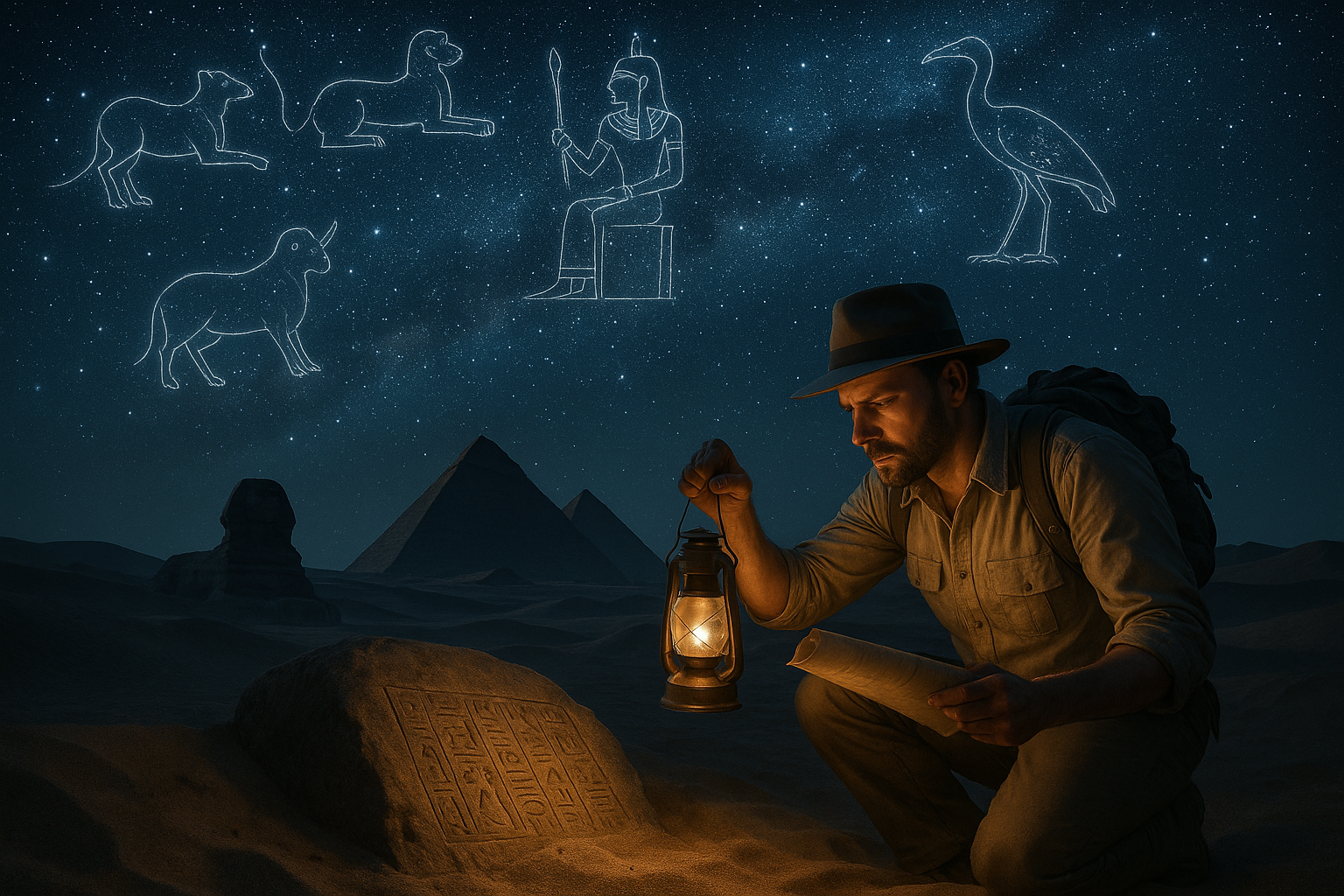
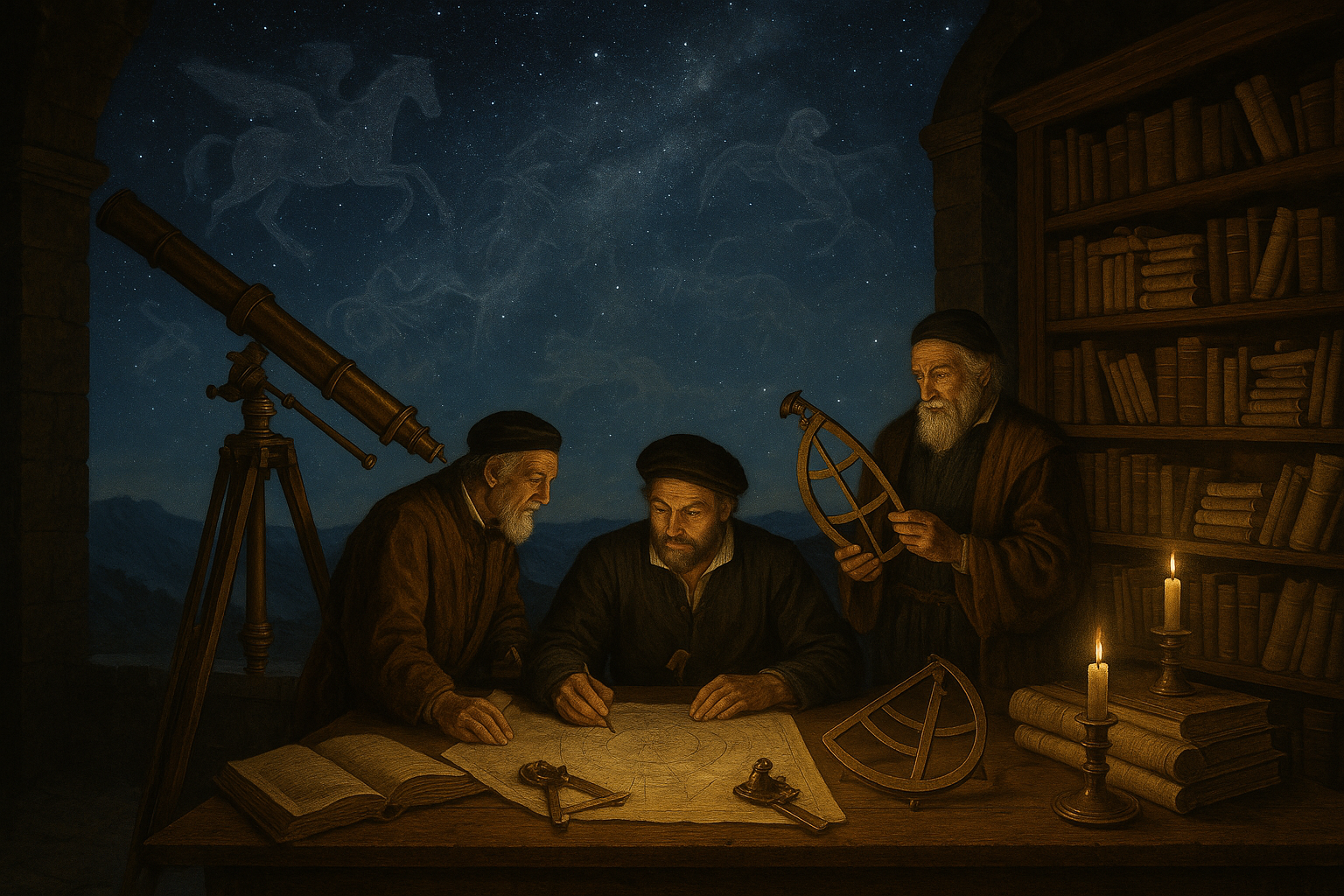
As we delve into this captivating subject, it’s important to first understand what draws people to the stars. From the ancient Egyptians who aligned their pyramids with specific stars, to the Greeks who charted constellations that still guide us today, the night sky has always been a source of wonder and inspiration. For many, stars are more than just distant suns; they are symbols of eternity, guides for navigation, and emblems of divine presence. This intrinsic allure has inevitably led to the formation of groups and societies that seek to unlock the mysteries held by these celestial wonders.
Secret societies have always captured the imagination of the curious. Their clandestine nature and often arcane practices invite speculation and intrigue. But why would such groups focus on stellar worship? The answer lies in the unique blend of science, spirituality, and symbolism that the stars represent. These societies often believe that stars hold the keys to profound wisdom and that by understanding them, one can unlock deeper truths about the universe and humanity’s place within it.
Throughout this article, we will explore several key aspects of stellar worship secret societies. First, we’ll trace their historical roots, examining how ancient civilizations contributed to the development of these groups. The legacy of these early societies can still be felt today, as their traditions and symbols continue to influence modern spiritual practices.
Next, we will delve into the rituals and beliefs that define these secret societies. From elaborate ceremonies performed under the starlit sky to the use of astrological charts for divination and prophecy, these practices reveal a complex and often esoteric understanding of the cosmos. By examining these rituals, we can gain insight into how these societies view the interconnectedness of all things and their quest for cosmic harmony.
Another fascinating topic we’ll cover is the influence of stellar worship on contemporary culture and science. Many of today’s astronomical concepts and scientific endeavors have roots in the star-based traditions of the past. We’ll explore how ancient star lore has contributed to our current understanding of the universe and how it continues to inspire modern-day astronomers and cosmologists.
Moreover, we’ll address the societal and psychological aspects of why individuals are drawn to these secretive groups. In a rapidly changing world, the desire for connection and understanding of something greater than oneself can be a powerful motivator. By examining the psychological appeal of stellar worship, we can better understand the enduring allure of these societies and their relevance in today’s world.
Finally, we’ll consider the controversies and misconceptions that often surround these groups. Secret societies, by their nature, invite suspicion and skepticism. We’ll separate fact from fiction, debunking myths while acknowledging the genuine contributions these groups have made to the spiritual and scientific tapestry of human history.
Join us as we lift the veil on the enigmatic world of stellar worship secret societies. From the sands of ancient Egypt to the digital age’s starry-eyed seekers, this exploration promises to illuminate the shadowy corners of history and human belief, offering a new perspective on the timeless dance between humanity and the stars. 🌟
Conclusion
## Conclusion
The world of stellar worship societies represents a fascinating intersection of ancient human impulses and cosmic wonder. Throughout history, civilizations have looked to the heavens for meaning, guidance, and connection to something greater than themselves. From the star temples of ancient Egypt to modern astronomical associations that blend scientific observation with spiritual reverence, these groups remind us that our relationship with the cosmos extends far beyond mere academic interest. They preserve traditions that honored celestial bodies as divine entities while simultaneously adapting to our growing understanding of the universe’s true nature and scale.
What makes these societies particularly compelling is their ability to bridge the gap between rational inquiry and spiritual experience. Members often find that studying the mechanics of stellar formation, the lifecycle of stars, or the vast distances between celestial objects doesn’t diminish their sense of awe—it amplifies it. This synthesis of knowledge and wonder creates communities where scientific literacy and metaphysical contemplation coexist comfortably, offering participants a holistic approach to understanding their place in the universe.
Whether you’re drawn to the historical practices of ancient star worshippers or curious about contemporary groups that gather to observe and celebrate celestial events, stellar worship societies offer unique perspectives on humanity’s eternal questions about existence, purpose, and connection. These communities continue to evolve, incorporating new astronomical discoveries while maintaining the core human need to find meaning in the night sky. As we venture further into the space age and our cosmic horizons expand, these societies serve as important cultural touchstones, reminding us that looking up at the stars is not just an act of observation but an acknowledgment of the mystery and majesty that sparked human imagination since our earliest days on Earth.