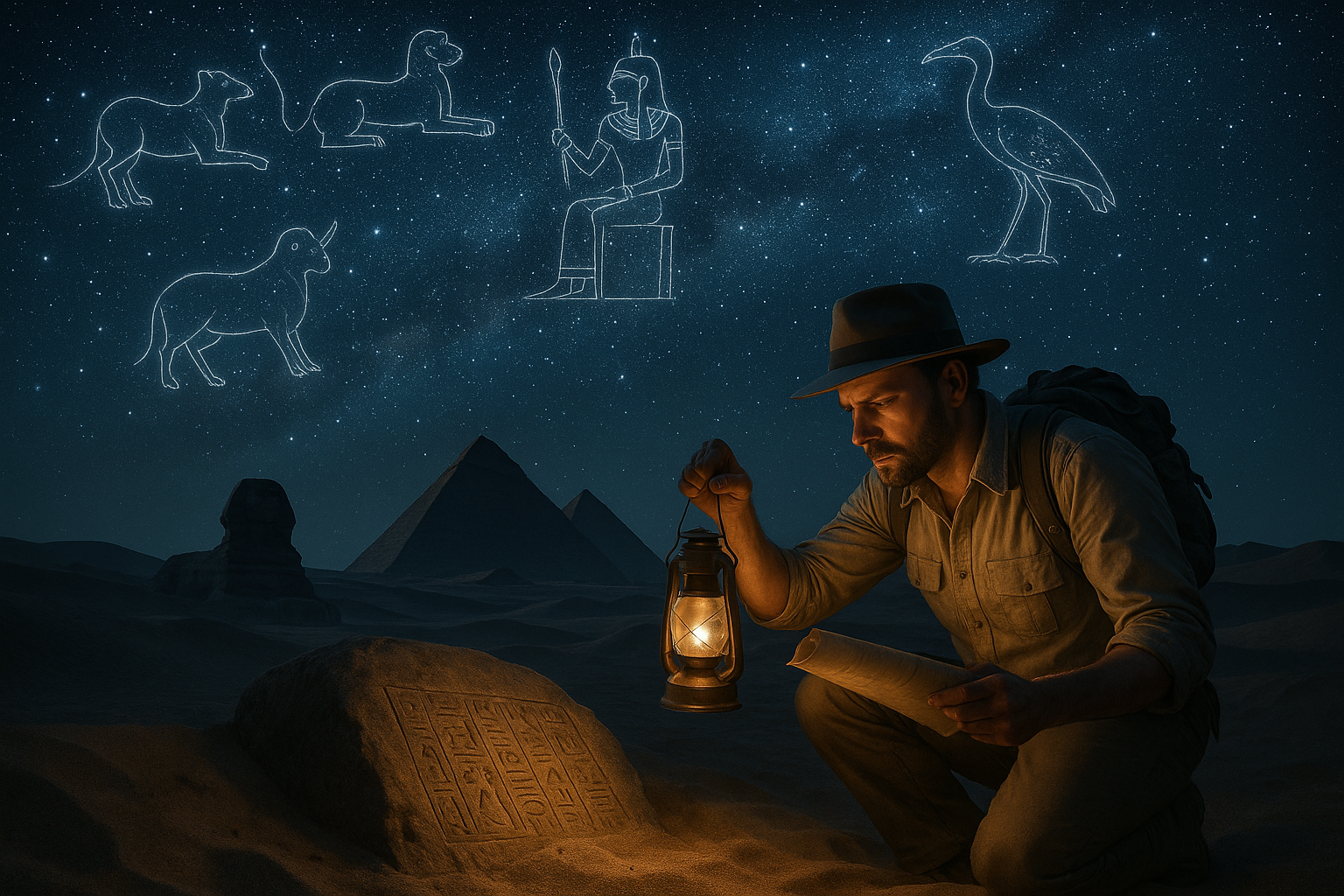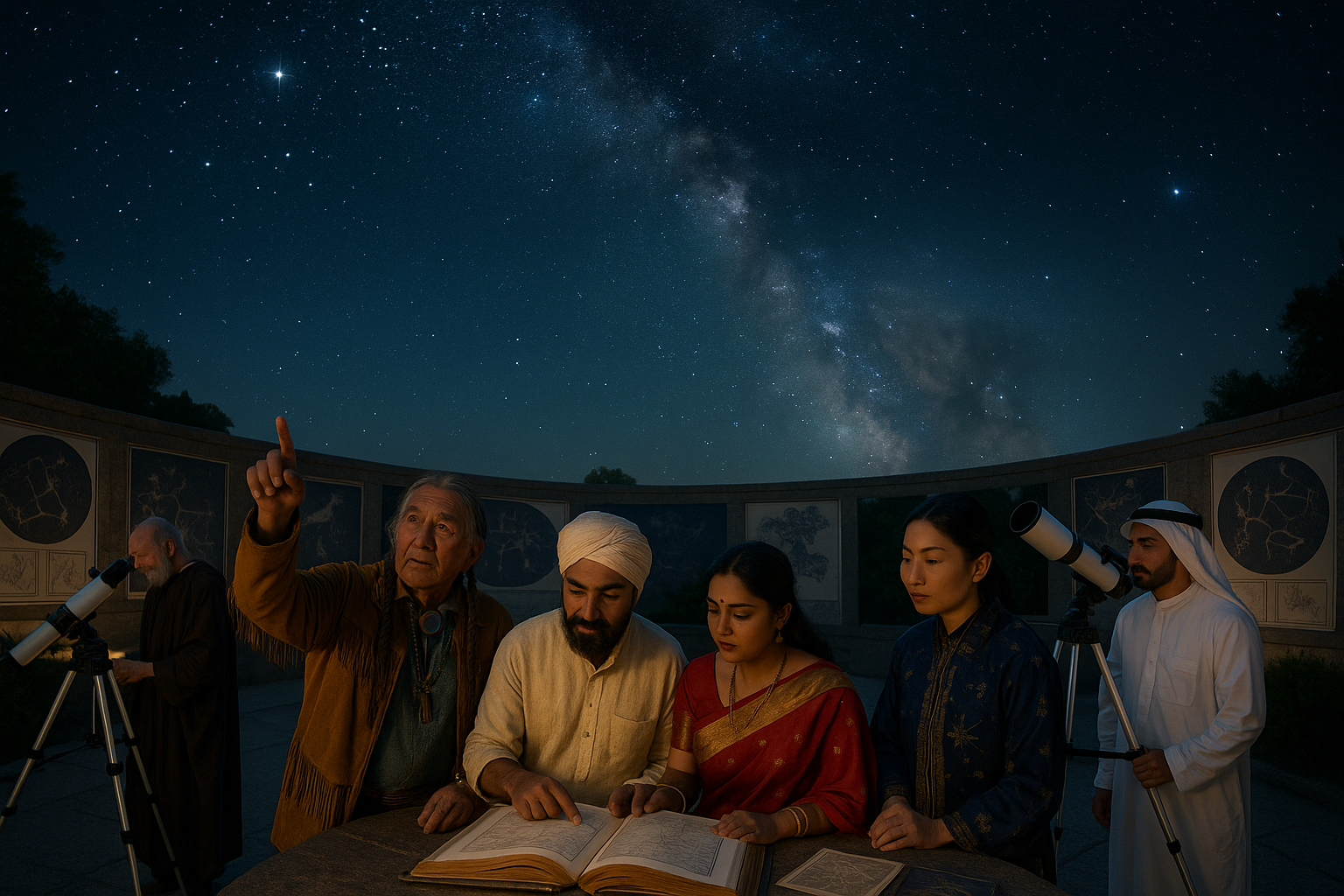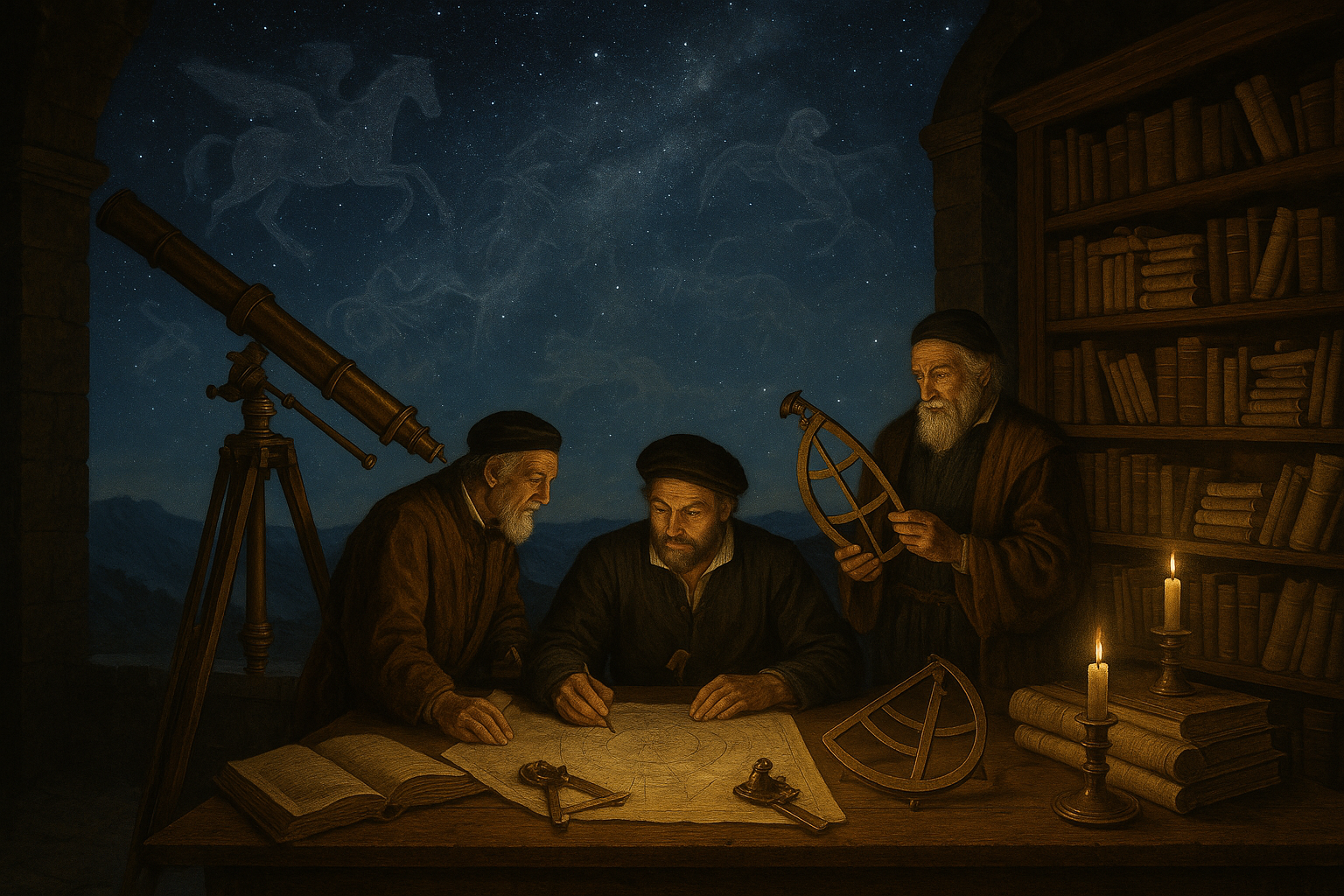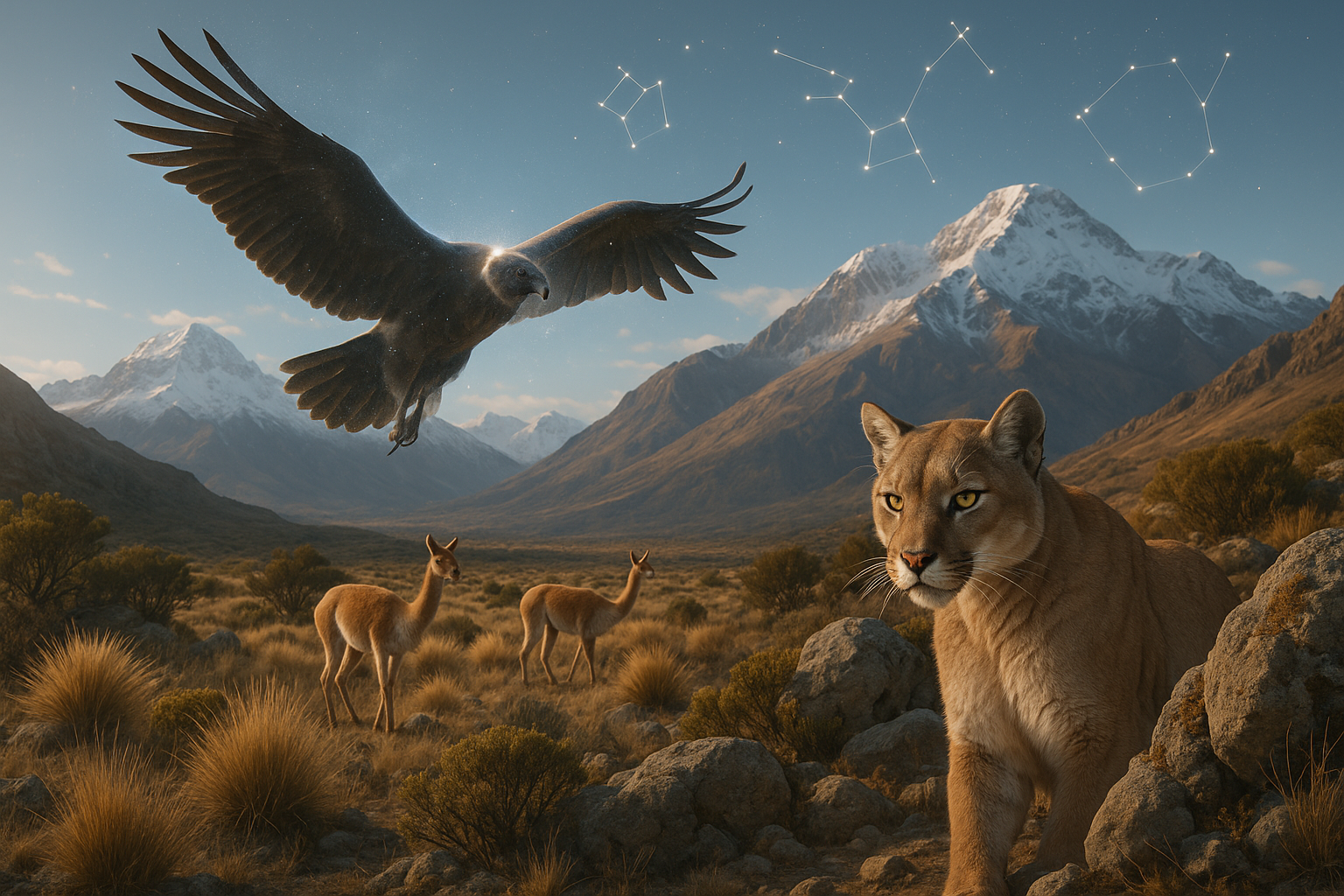
Throughout human history, the night sky has been a source of wonder and mystery. Stars, planets, and meteor showers have not only lit up the darkened skies but also ignited the imagination of countless cultures across the globe. Among these celestial phenomena, meteors hold a particularly enigmatic place, serving as harbingers of both fear and fascination. But what if these fiery streaks across the sky were more than just natural events? What if they were central to ancient beliefs and rituals, seen as divine messages or omens? 🌠

In this exploration, we delve into the captivating world of vanished meteor worship, an intriguing chapter of human history that combines mythology, astronomy, and anthropology. Our journey takes us to ancient civilizations that revered these cosmic visitors, crafting rituals and beliefs around their dramatic appearances. From the mystical lands of Mesopotamia to the isolated tribes of the Pacific, meteors were often perceived as messages from the gods, influencing decisions and shaping destinies.
So, why did ancient cultures hold such reverence for meteors? To answer this, we must first understand the human tendency to seek meaning in the unknown. In a world where science and technology had yet to demystify natural occurrences, the night sky was a canvas of the divine. Meteors, with their unpredictable brilliance, became a focal point for myth-making and religious interpretation.
Our article will illuminate the practices of meteor worship across different cultures, uncovering fascinating stories and rituals. We’ll examine how the Babylonians meticulously recorded meteor sightings and interpreted them as divine warnings or blessings. Similarly, we’ll explore how the indigenous peoples of the Americas integrated meteor phenomena into their spiritual beliefs, seeing them as bridges between the earthly and the divine.
The ancient Greeks and Romans also left behind intriguing accounts of meteoric events, which they often linked to the favor or wrath of their gods. In the case of the Romans, the appearance of meteors could signal divine displeasure or a celestial endorsement of an emperor’s reign. Meanwhile, in ancient China, court astrologers meticulously observed meteor showers, integrating these celestial events into their intricate systems of cosmic order and prophecy.
But it wasn’t just the grand civilizations that wove meteors into their cultural fabric. We will also take a closer look at lesser-known tribes and communities, whose oral traditions and rituals reveal a profound connection to the cosmos. These societies often saw meteors as ancestors or spirits, visiting the Earth in luminous forms to communicate with the living.
In our exploration, we will also uncover the fascinating interplay between meteor worship and the development of early science. As cultures sought to understand the mechanisms behind these celestial phenomena, they laid the groundwork for astronomical advancements. This quest for knowledge would eventually transform awe and reverence into curiosity and study, paving the way for modern astronomy.
Furthermore, we will touch upon the lasting impact of these ancient beliefs in contemporary culture. From language and literature to art and religion, the legacy of meteor worship echoes through time, reminding us of our enduring fascination with the cosmos. Even today, as we gaze at the night sky, we are connected to our ancestors through a shared wonder for the universe.
As we unearth the mysteries of vanished meteor worship, prepare to embark on a journey that transcends time and space. Together, we’ll explore the stories of those who once looked up at the heavens, seeking answers in the fiery trails of cosmic visitors. Their beliefs and rituals may have faded into obscurity, but their legacy continues to illuminate our understanding of the profound human connection to the cosmos.✨
Conclusion
## A Legacy Written in Stone and Stars
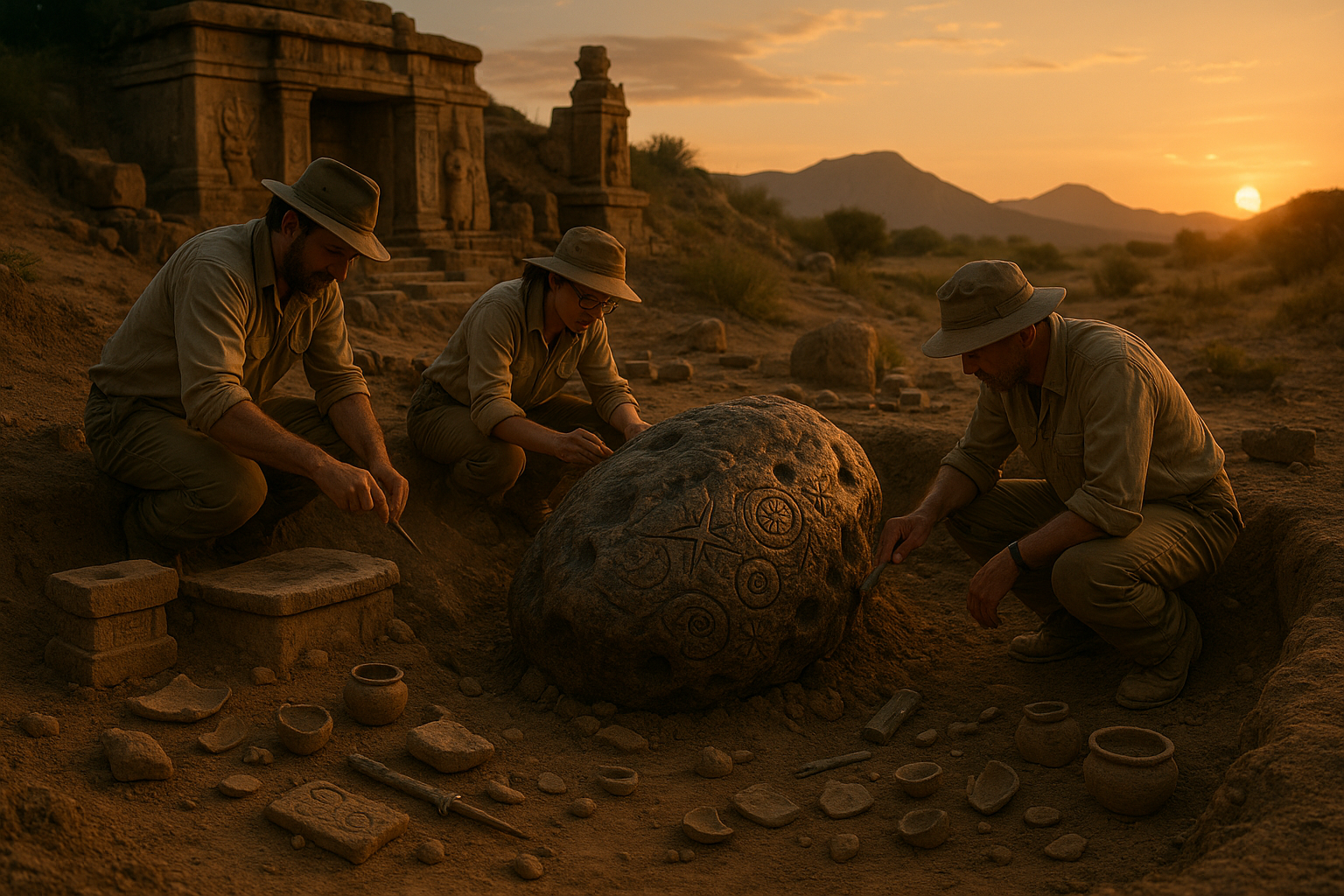
The ancient practice of meteor worship, once thought to be mere myth or exaggeration by early historians, has proven to be far more widespread and significant than we ever imagined. From the carefully carved celestial maps found in remote temples to the ritual sites deliberately positioned to observe meteor showers, our ancestors clearly held these celestial visitors in profound reverence. These discoveries challenge us to reconsider how deeply connected early civilizations were to the cosmos and how seriously they took their observations of the night sky. The evidence suggests that meteor worship wasn’t simply about fear or superstition, but rather represented a sophisticated attempt to understand humanity’s place in the universe.
What makes these findings particularly fascinating is how they reveal the universal nature of human curiosity and spiritual experience. Cultures separated by vast oceans and thousands of miles developed remarkably similar rituals and beliefs around meteors, suggesting that these streaking lights spoke to something fundamental in the human psyche. The meteorites themselves, preserved in sacred chambers and treated with extraordinary care, weren’t just religious artifacts—they were tangible proof that the heavens could reach down and touch the earth. This physical connection between sky and ground must have seemed nothing short of miraculous to people trying to make sense of their world.
As we continue to uncover more sites and decipher additional texts, we’re piecing together a picture of belief systems that were both more complex and more practical than previously assumed. These weren’t primitive people cowering before unexplained phenomena, but rather careful observers who wove their astronomical knowledge into the fabric of their societies. The story of meteor worship is ultimately a testament to humanity’s enduring need to look upward, seek meaning, and find our place among the stars.