In the hushed whispers of ancient winds and the enigmatic shadows of long-forgotten lands, the celestial deities of bygone kingdoms still linger, their stories etched into the very fabric of time. These divine entities, once venerated by civilizations that have faded into the annals of history, hold the keys to understanding not only the spiritual beliefs of ancient cultures but also the human quest for meaning and connection with the universe. 🌌

As we embark on this journey to unveil the majestic powers of these celestial deities, we dive deep into the mythologies and legends that shaped the worldviews of empires that rose and fell, leaving behind whispers of their divine protectors. The celestial realm was not just a distant, ethereal space for these ancient peoples; it was a vibrant tapestry woven into their daily lives, guiding, inspiring, and sometimes terrifying them.
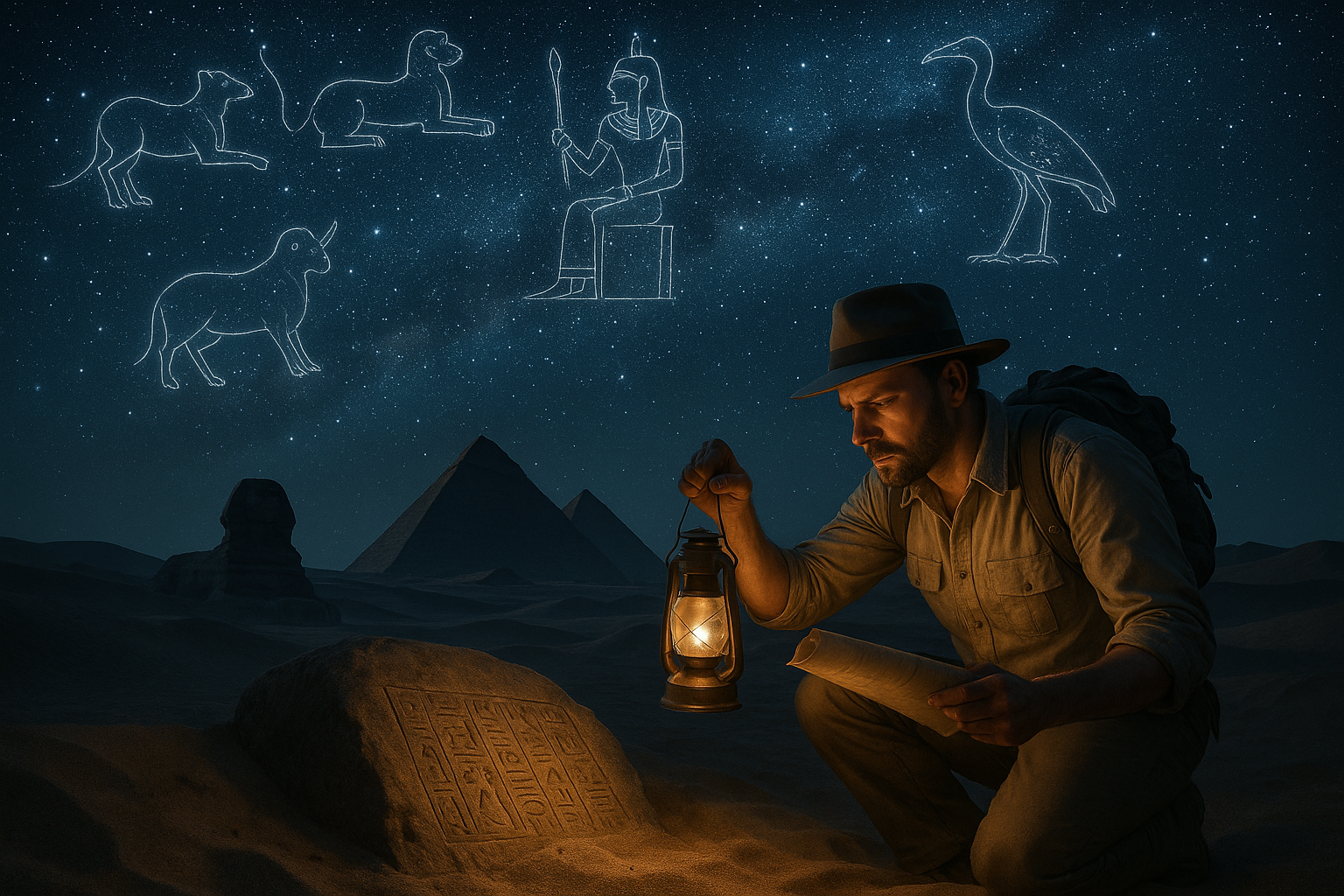
Our exploration will traverse continents and epochs, from the sun-drenched temples of the Egyptians, where Ra reigned supreme, to the mystic altars of the Mesopotamians, who worshipped Anu, the sky god. These gods and goddesses were not mere figments of imagination; they were the embodiment of natural forces, celestial bodies, and human virtues and vices. Through their stories, we glimpse the complexities of ancient societies and their attempts to explain the unexplainable.
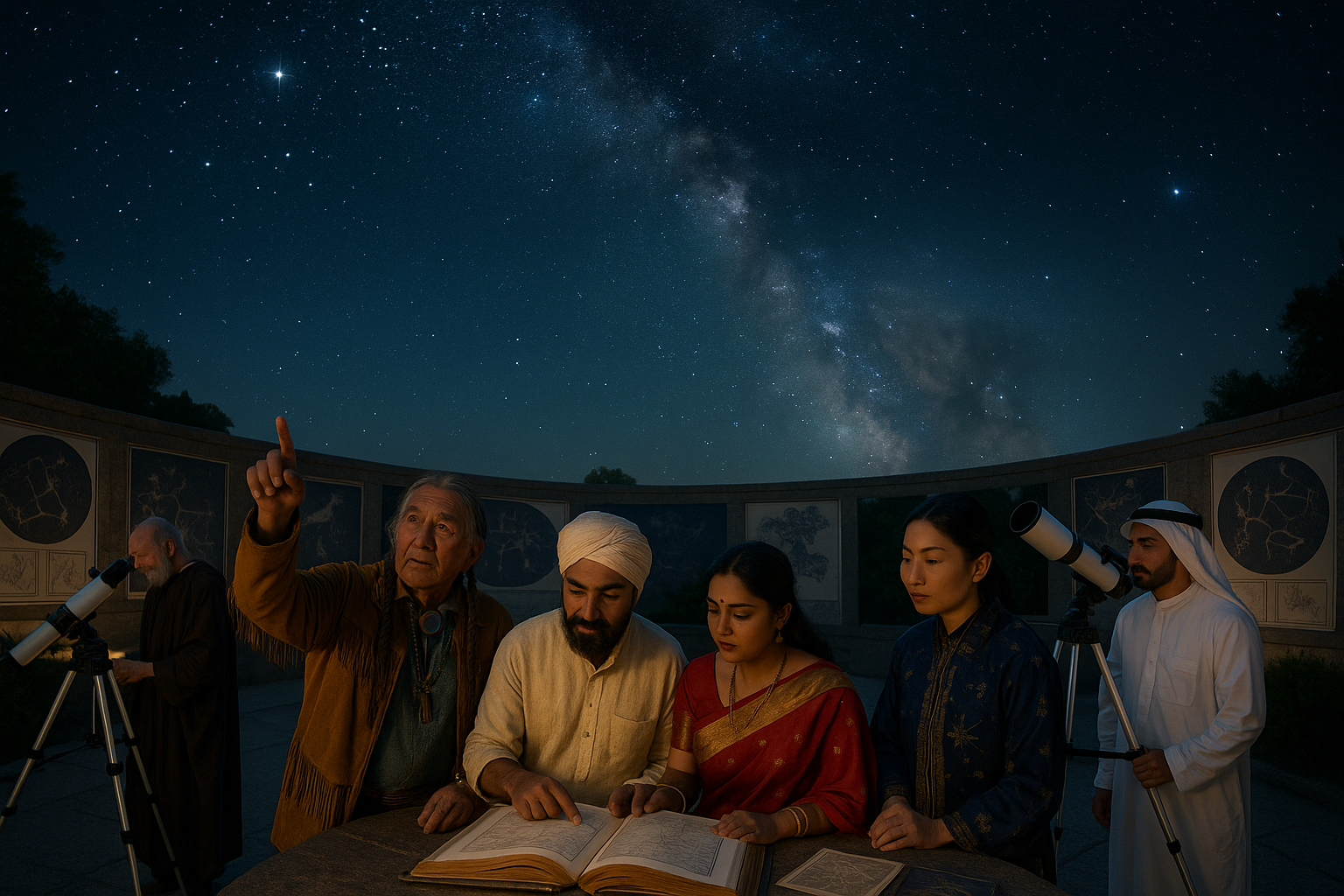
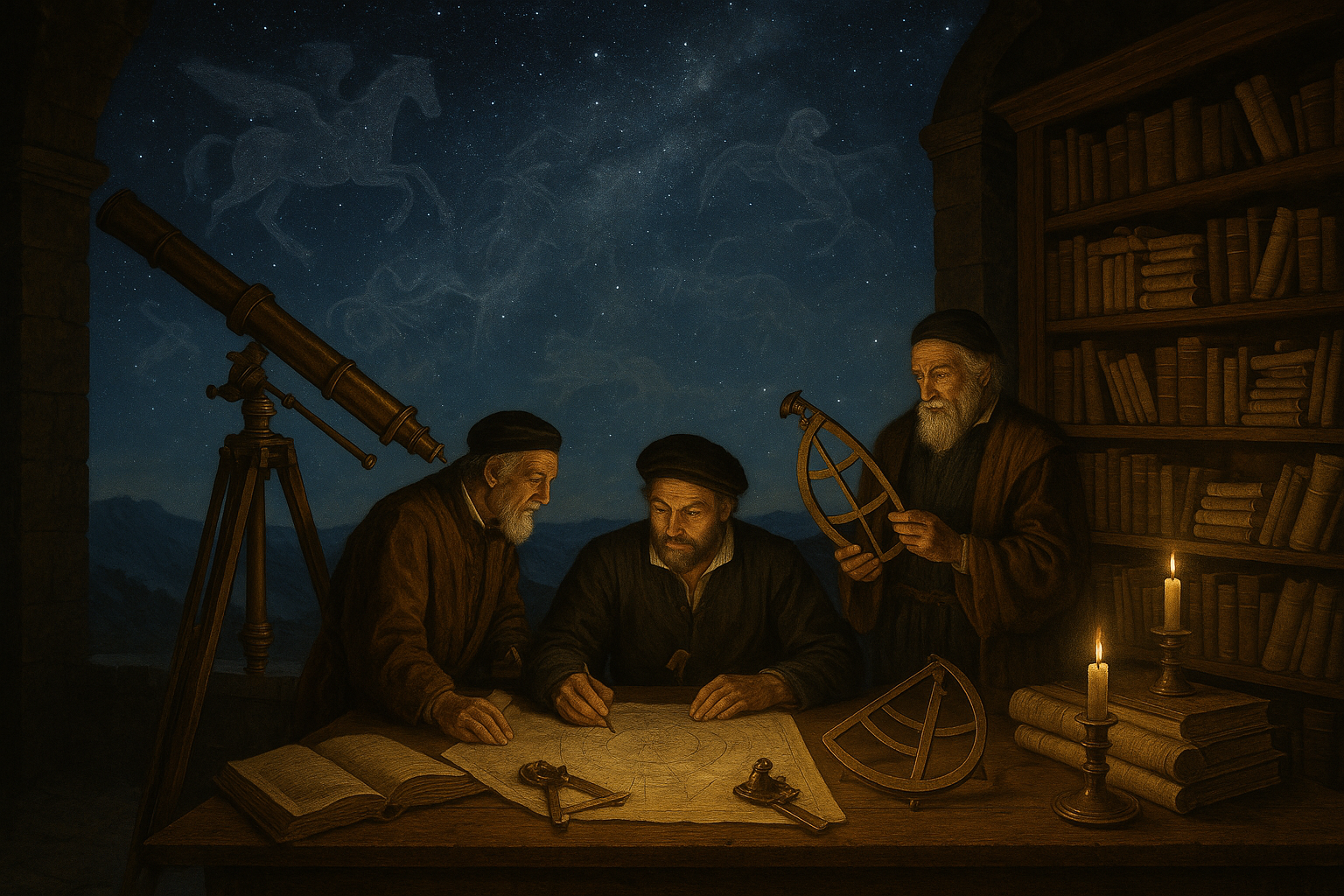
In this article, we will delve into the significance of these celestial deities and their impact on the cultures that worshipped them. We will examine how these ancient peoples interpreted the movements of the stars and planets, attributing divine intentions to celestial phenomena. Their astronomical observations were intricately linked to their mythology, agriculture, and governance, reflecting a profound understanding of the universe’s rhythms. 🌟
Our journey will also uncover the rituals and ceremonies that were performed to honor these deities. From grand festivals that synchronized with cosmic events to intimate offerings made by individuals seeking favor or forgiveness, the worship of celestial gods was as diverse as the cultures themselves. We will explore the role of priests and priestesses, the intermediaries between the divine and the mortal, who wielded significant power and influence.
Furthermore, we will investigate the artistic representations of these deities, which offer a visual language through which ancient peoples communicated their reverence and fear. These artworks, whether carved in stone or painted on temple walls, are not only stunning in their beauty but also rich in symbolism, providing insight into the values and priorities of the societies that created them. 🏺
The legacy of these celestial deities extends beyond their ancient origins. As we analyze their influence on later cultures and religions, we will uncover how the essence of these divine beings was absorbed, transformed, and sometimes hidden within new spiritual frameworks. This continuity and adaptation highlight the enduring human fascination with the cosmos and our place within it.
Join us as we unravel the mysteries and marvels of these celestial deities, exploring how their stories and symbols continue to resonate in our modern world. Through this exploration, we aim to not only illuminate the past but also to inspire a deeper appreciation for the rich tapestry of human belief and imagination that connects us across time and space. 🚀
Prepare to embark on an epic journey across ancient realms, where gods and goddesses once walked among mortals, shaping destinies and leaving an indelible mark on history. As we navigate through these celestial narratives, we invite you to ponder the timeless question: what do these ancient stories tell us about our own search for meaning in the vast universe that surrounds us?
Conclusion
## A Legacy Written in the Stars
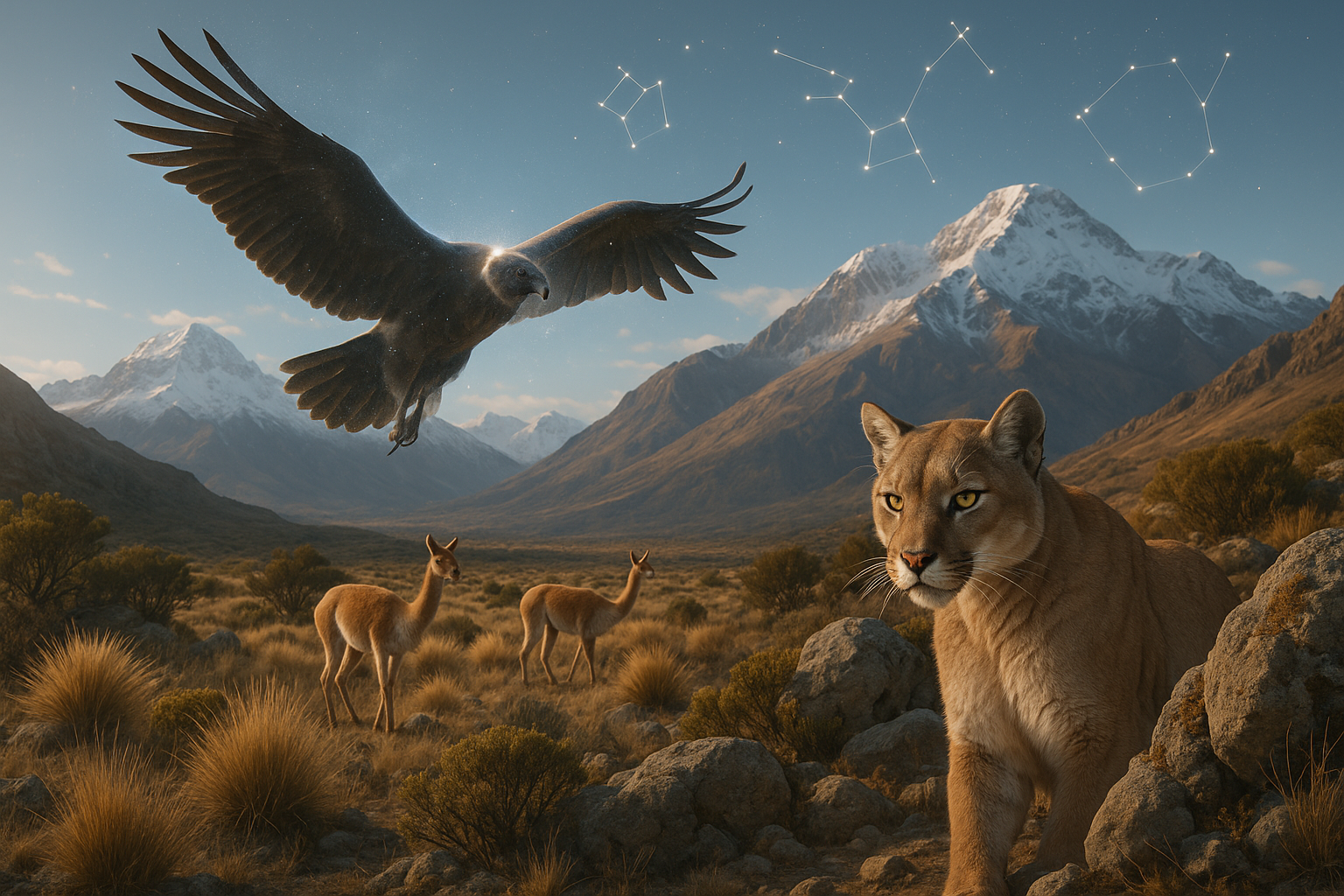
The celestial deities of lost kingdoms represent far more than mere mythological curiosities gathering dust in archaeological records. These divine figures served as the spiritual backbone of entire civilizations, shaping everything from agricultural practices and architectural designs to social hierarchies and moral codes. When we study the sun gods of ancient Egypt, the star deities of Mesopotamia, or the lunar goddesses of pre-Columbian America, we’re not simply examining religious beliefs—we’re uncovering the fundamental ways these societies understood their place in the cosmos. These gods and goddesses were the lenses through which ancient peoples interpreted the movements of planets, the changing of seasons, and the mysteries of existence itself.
What makes these celestial deities particularly fascinating is how they reveal the universal human impulse to find meaning in the heavens above. Despite vast geographical distances and centuries of separation, cultures across the world independently developed remarkably similar concepts: sky fathers, earth mothers, trickster planets, and divine constellations. Yet each civilization added its own unique flourishes, creating rich tapestries of myth that reflected local values, environmental conditions, and historical experiences. The warrior aspect of Mars in Roman mythology differs significantly from the agricultural associations of similar planetary deities in other cultures, demonstrating how the same celestial bodies could inspire vastly different spiritual interpretations.
As modern society continues to gaze upward—now with telescopes and spacecraft rather than temple observatories—we remain connected to these ancient stargazers through our shared sense of wonder. The lost kingdoms may have crumbled and their languages may have fallen silent, but their celestial deities continue to whisper across the millennia, reminding us that humanity’s relationship with the cosmos is both timeless and ever-evolving.