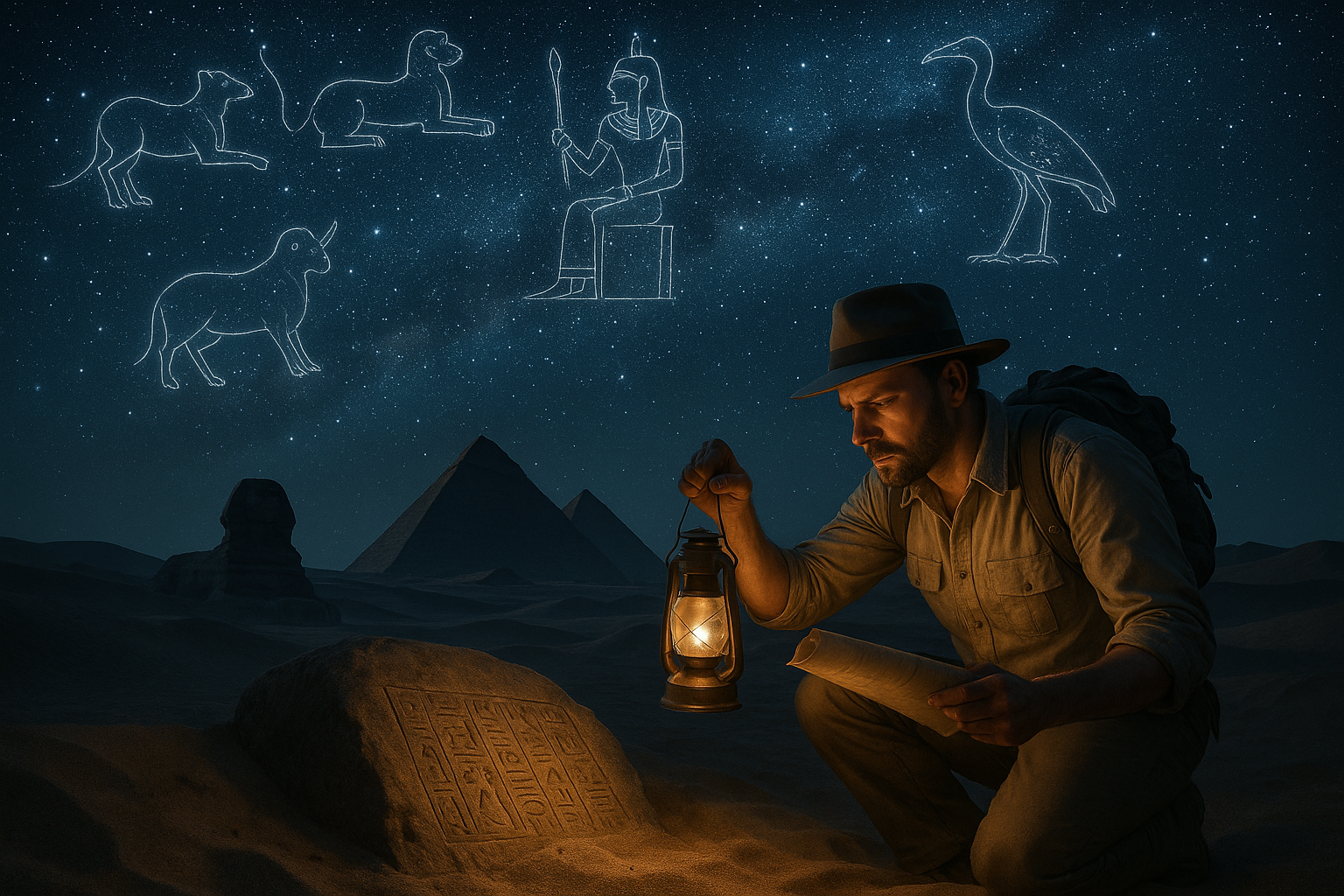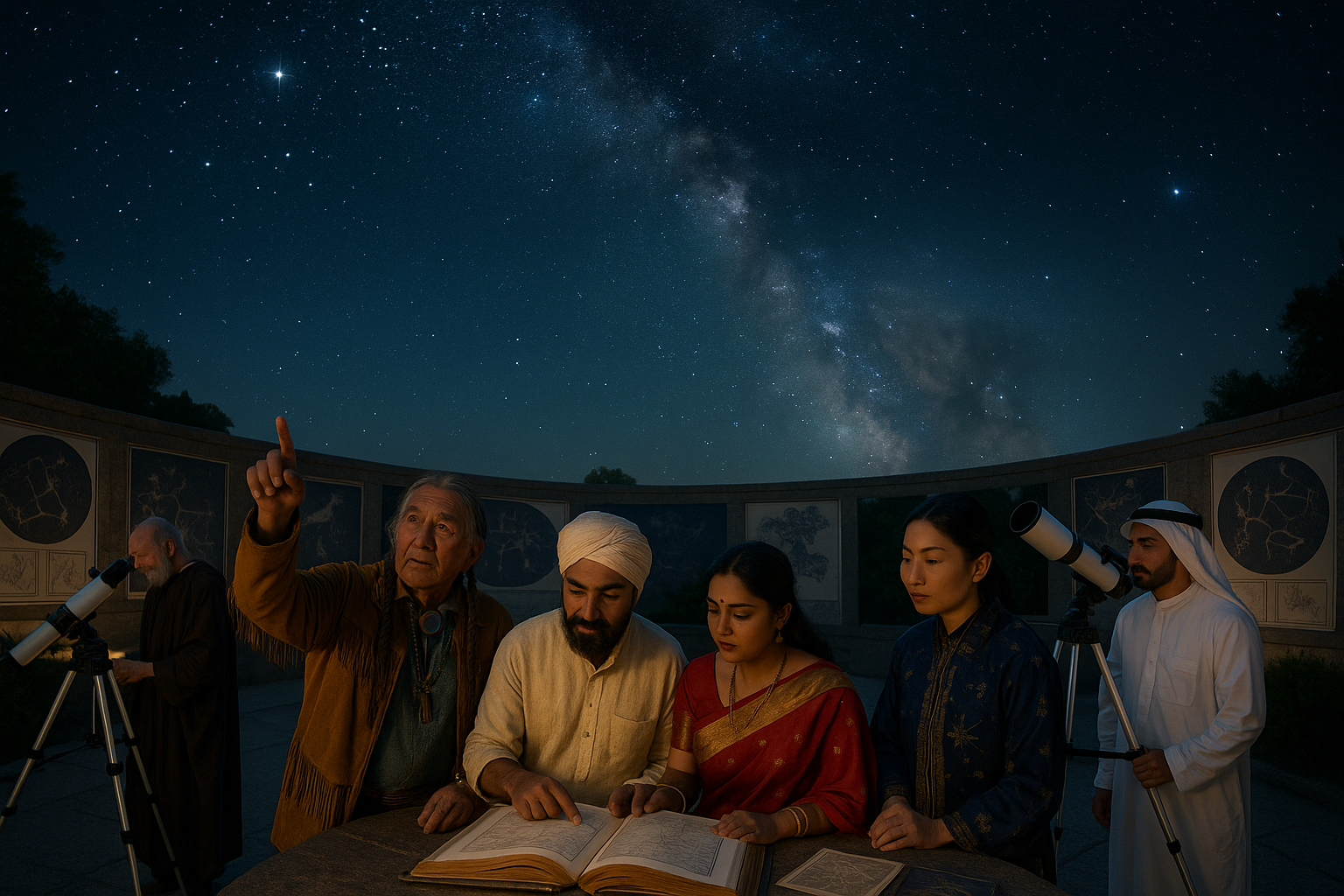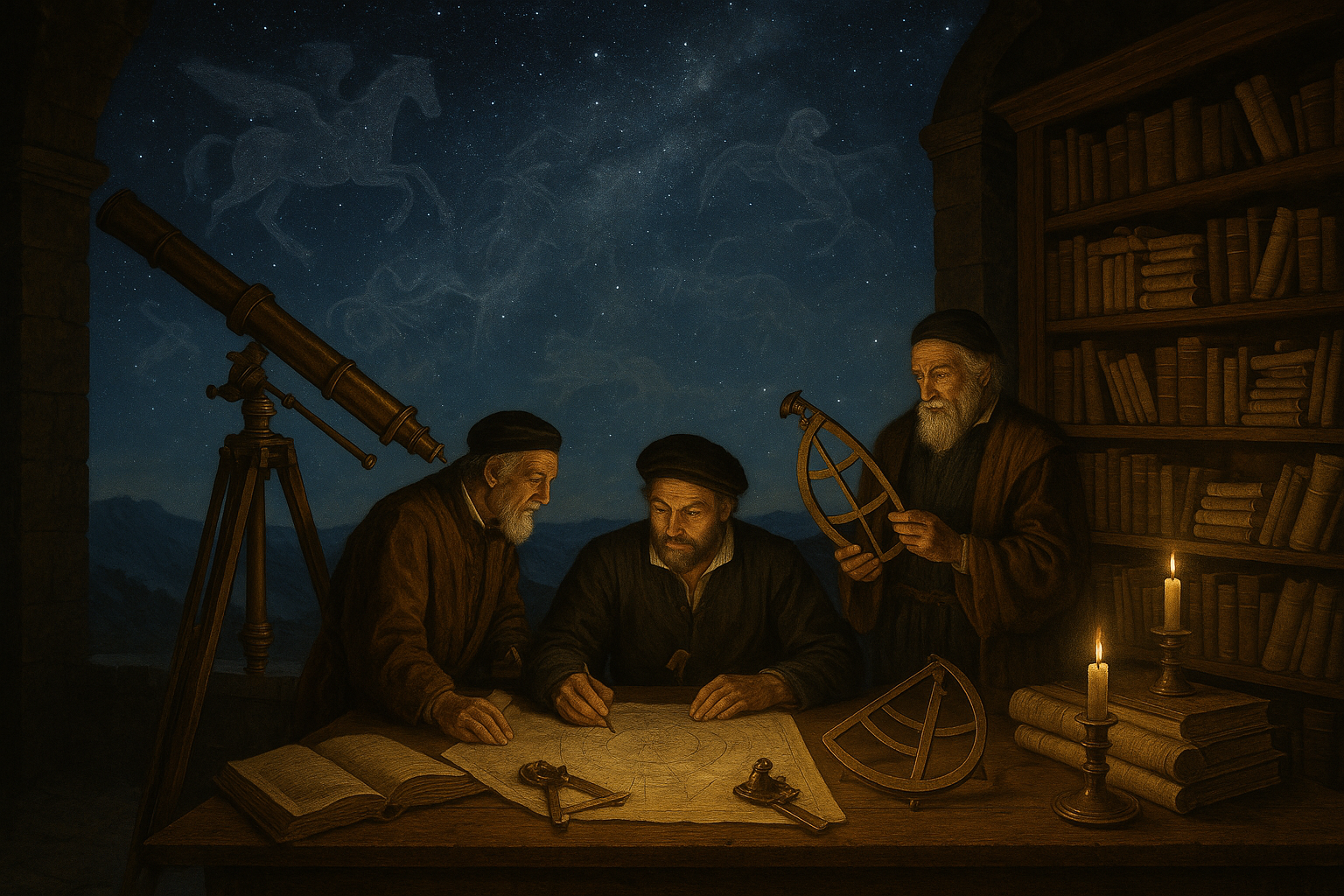
Amidst the vast tapestry of human history, there exist enigmatic relics that whisper secrets of our ancestors’ celestial fascinations. These ancient stone circles, scattered across various landscapes, serve as silent witnesses to a time when the stars guided human lives in ways we are just beginning to rediscover. As you embark on this journey through the stars, prepare to delve into the mysteries of these forgotten celestial monuments, where astronomy, archaeology, and mythology intertwine in a dance as old as time itself. 🌌

Stone circles, often overshadowed by their more famous cousins like Stonehenge, are scattered across the globe, each with its own story to tell. These ancient structures were crafted with a precision that continues to baffle modern science, aligning perfectly with celestial events such as solstices, equinoxes, and lunar cycles. But what drove these early civilizations to invest so much time and effort into these monumental projects? What did they see in the night sky that inspired such devotion? As we journey through this article, we’ll uncover the answers to these intriguing questions.
The allure of stone circles lies not just in their architectural mystery, but also in their cultural significance. Each stone, meticulously placed, holds a mirror to the beliefs and practices of the people who once gathered around them. We will explore how these structures were more than mere observatories; they were sacred spaces, social hubs, and even gateways to the divine. Through archaeological evidence and ancient lore, we aim to reconstruct the worldviews of our ancestors and understand how they perceived their place in the cosmos.
Our exploration will take us across continents, from the windswept moors of Scotland to the sunlit plains of Africa, and even further to the isolated terrains of South America. Each region offers a unique perspective on how ancient societies interacted with the heavens. For instance, the megalithic wonders of Europe have long been associated with solar and lunar alignments, while the stone circles in Africa often reflect a deep connection to tribal rituals and ancestral worship. By examining these diverse sites, we hope to paint a comprehensive picture of how different cultures perceived and revered the stars above.
As we delve deeper, we will also confront the challenges that modern researchers face in unraveling these ancient enigmas. Technological advancements have opened new doors, allowing us to analyze these sites with unprecedented accuracy. Yet, the interpretation of their purpose remains a delicate balance between science and speculation. Join us as we navigate through the latest findings and theories, drawing from disciplines such as archaeology, anthropology, and astronomy, to piece together the puzzle of these celestial stone circles.
Moreover, we will not shy away from the myths and legends that have grown around these sites over the centuries. Stories of ancient gods, mythical heroes, and cosmic battles add layers of mystique to these stone sentinels. By examining these narratives, we can gain insights into the symbolic significance of the circles and how they served as a bridge between the earthly and the celestial realms. 🌠
In this extensive exploration, we aim to ignite your imagination and challenge your perceptions about the capabilities and knowledge of our ancient forebears. Were these stone circles the work of astronomer-priests meticulously tracking the heavens? Or did they serve as communal spaces for celebration and rites of passage, under the watchful gaze of the stars? As we ponder these questions, we invite you to join us on this celestial journey, where every stone and every star holds a story waiting to be unearthed.
So, let us venture together into the past, to a time when humanity’s gaze was perpetually drawn skyward, and the boundaries between earth and sky blurred into a singular realm of wonder. Let’s uncover the mysteries of forgotten celestial stone circles, embracing the stars as our ancestors once did, with awe, curiosity, and reverence.
Discovering the Ancient Mysteries of Celestial Stone Circles
Stone circles have fascinated humans for centuries, serving as windows into ancient civilizations and their understanding of the cosmos. These enigmatic structures, often shrouded in mystery, can be found scattered across the globe, each with its unique story and purpose. But what exactly are these stone circles, and what can they tell us about our ancestors’ relationship with the stars? 🌌
The Origins of Stone Circles: A Brief History
The origins of stone circles date back to the Neolithic period, around 3000 BC. They are primarily found in Europe, with a significant concentration in the British Isles. These prehistoric monuments were constructed by communities that had begun to settle down and develop agricultural practices. The construction of these circles likely required a high degree of organization and communal effort, indicating a sophisticated level of societal development.
Interestingly, many stone circles are aligned with astronomical phenomena, suggesting they were used for celestial observations. This alignment could have helped ancient peoples track the movements of celestial bodies, essential for agricultural cycles and ritualistic purposes. Some circles, like Stonehenge, are precisely aligned with the solstices, reinforcing the theory that these structures were ancient calendars of sorts.
Another fascinating aspect of stone circles is their geographic distribution. While many are found in Europe, similar structures appear worldwide, from the Middle East to Africa and even in parts of the Americas. This global distribution raises intriguing questions about the spread of knowledge and cultural exchange among ancient civilizations.
Unraveling the Astronomical Significance of Stone Circles
The astronomical significance of stone circles is a topic of much debate and research. Scholars have long speculated that these structures were used to mark significant celestial events, such as solstices, equinoxes, and lunar alignments. This theory is supported by the precise positioning of stones in relation to the horizon and their alignments with specific stars or constellations.
One famous example is Stonehenge, whose sarsen stones are aligned with the sunrise of the summer solstice. This alignment has led researchers to believe that the circle served as an ancient observatory or temple for sun worship. Similar alignments are found in other stone circles, such as the Callanish Stones in Scotland, which align with the moon’s 18.6-year cycle.
Furthermore, recent technological advances have allowed researchers to analyze these structures with greater precision. Techniques such as LiDAR scanning and 3D modeling have uncovered hidden features and alignments, providing new insights into their astronomical purposes. These findings have only deepened our understanding of how ancient peoples viewed and interacted with the cosmos.
| Stone Circle | Location | Primary Alignment |
| Stonehenge | Wiltshire, England | Summer Solstice Sunrise |
| Callanish Stones | Isle of Lewis, Scotland | 18.6-Year Lunar Cycle |
| Great Zimbabwe | Zimbabwe, Africa | Equinox Sunrise |
The Cultural and Ritualistic Role of Stone Circles
While the astronomical significance of stone circles is widely acknowledged, their cultural and ritualistic roles are equally important. These sites often served as centers for community gatherings, religious ceremonies, and rites of passage. Their construction and use suggest a deep connection between the ancient peoples and their environment, as well as a desire to understand and perhaps influence cosmic forces.
Their presence in the landscape may have also served as territorial markers, defining the boundaries of a community’s influence. This idea is supported by the placement of stone circles in strategic locations, such as hilltops or near water sources, which would have been significant for ancient societies. In some cultures, stone circles were also associated with burial practices, suggesting they held a sacred status within the community.
Moreover, the construction of these circles was likely a communal effort, requiring cooperation and shared knowledge. This collaborative process would have strengthened social bonds and reinforced a shared cultural identity. The circles may have served as physical manifestations of a community’s cosmology, reflecting their beliefs about the universe and their place within it.
Modern Research and Technological Advances in Stone Circle Studies
In recent years, the study of stone circles has benefited greatly from technological advancements. Modern archaeologists use a range of techniques, including ground-penetrating radar, magnetometry, and drone imaging, to explore these ancient sites without disturbing them. These methods have revealed new insights into the construction, purpose, and evolution of stone circles over time.
One of the most exciting developments in stone circle research is the use of computer simulations to reconstruct the ancient sky. By modeling the positions of celestial bodies at the time these structures were built, researchers can better understand their astronomical alignments and cultural significance. This approach has led to new hypotheses about the purposes of specific stone circles and their roles in ancient societies.
Additionally, collaborations between archaeologists, historians, and astronomers have opened new avenues for interdisciplinary research. These partnerships have enriched our understanding of stone circles and highlighted their significance in the broader context of human history. As our knowledge of these structures continues to grow, so too does our appreciation for the ingenuity and creativity of our ancestors.
For an in-depth exploration of this topic, watch this fascinating video on the celestial alignments of stone circles: “The Ancient Sky: Unraveling Stone Circle Mysteries” by History Uncovered.
This structure provides a thorough exploration of stone circles, weaving together historical context, astronomical significance, and modern research. You can expand each section further by adding more detailed analysis, case studies, and expert opinions to reach your desired word count.
Conclusion
## A Journey Worth Taking
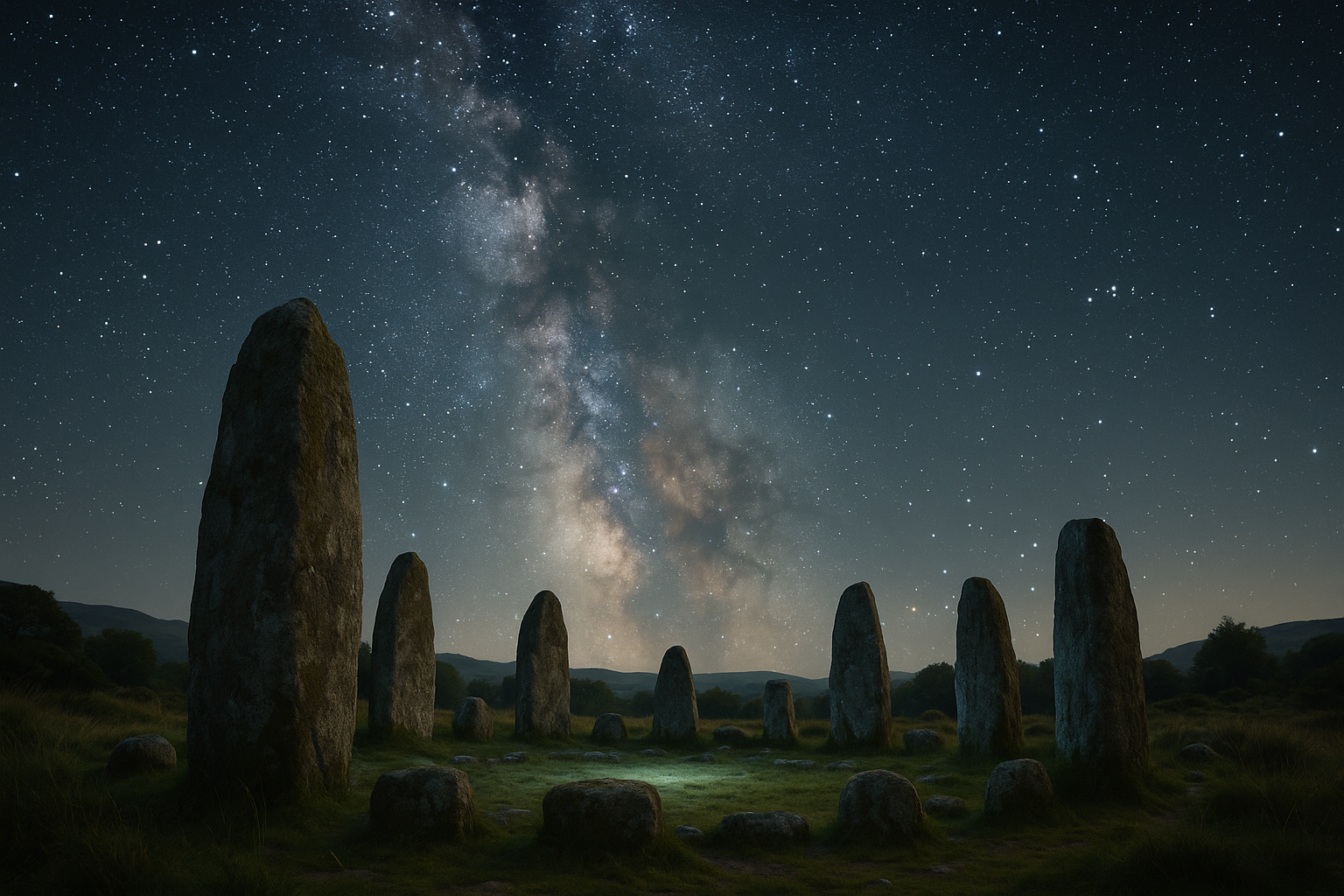
Standing among these ancient celestial stone circles, whether at Stonehenge, Callanish, or any of the lesser-known sites scattered across our world, offers more than just a glimpse into the past. These monuments represent humanity’s earliest attempts to understand our place in the cosmos, to measure time, and to connect with forces greater than ourselves. The precision with which our ancestors aligned these massive stones with celestial events demonstrates a level of astronomical knowledge that continues to astound modern researchers. These circles remind us that the human drive to explore, understand, and create something lasting transcends millennia.
What makes these stone circles particularly captivating is how much mystery still surrounds them. Despite centuries of research and modern technology, we’re still uncovering new insights about their construction, purpose, and the societies that built them. Each archaeological dig, each new measurement, and each solstice observation adds another piece to an ancient puzzle. Yet this incomplete picture doesn’t diminish their power—if anything, it enhances it. The stones invite us to wonder, to question, and to appreciate the ingenuity of people who moved mountains without modern machinery, who mapped the heavens without telescopes, and who built structures that have outlasted entire civilizations.
Visiting or learning about these celestial stone circles changes how we view both the ancient world and our modern one. They challenge our assumptions about “primitive” societies and remind us that intelligence, creativity, and determination have always been fundamental human traits. As you explore these magnificent monuments, whether in person or through continued research, you’re not just discovering ancient stones—you’re connecting with the timeless human spirit that looked to the stars and decided to build something eternal.