As the sun dips below the horizon and darkness envelops the land, a different kind of light begins to twinkle—one that dances and tells stories of times long past. Imagine standing in the heart of a dense forest or atop a desolate mountain, the air thick with anticipation. Suddenly, the sky above comes alive with mesmerizing movements, each swirl and flicker a testament to the rich tapestry of human culture. This isn’t just a play of natural light; it’s a gateway to ancient rituals that have captivated the human spirit for centuries.

The celestial performances we are about to explore are not merely natural phenomena but are imbued with cultural significance and spiritual meanings that transcend the ordinary. These sky dances are not just random acts of nature; they are the living, breathing legacies of ancient tribes who sought to connect with the cosmos in profound ways. Through intricate rituals and time-honored traditions, these tribes expressed their deepest beliefs, hopes, and fears, weaving them into the very fabric of their existence.
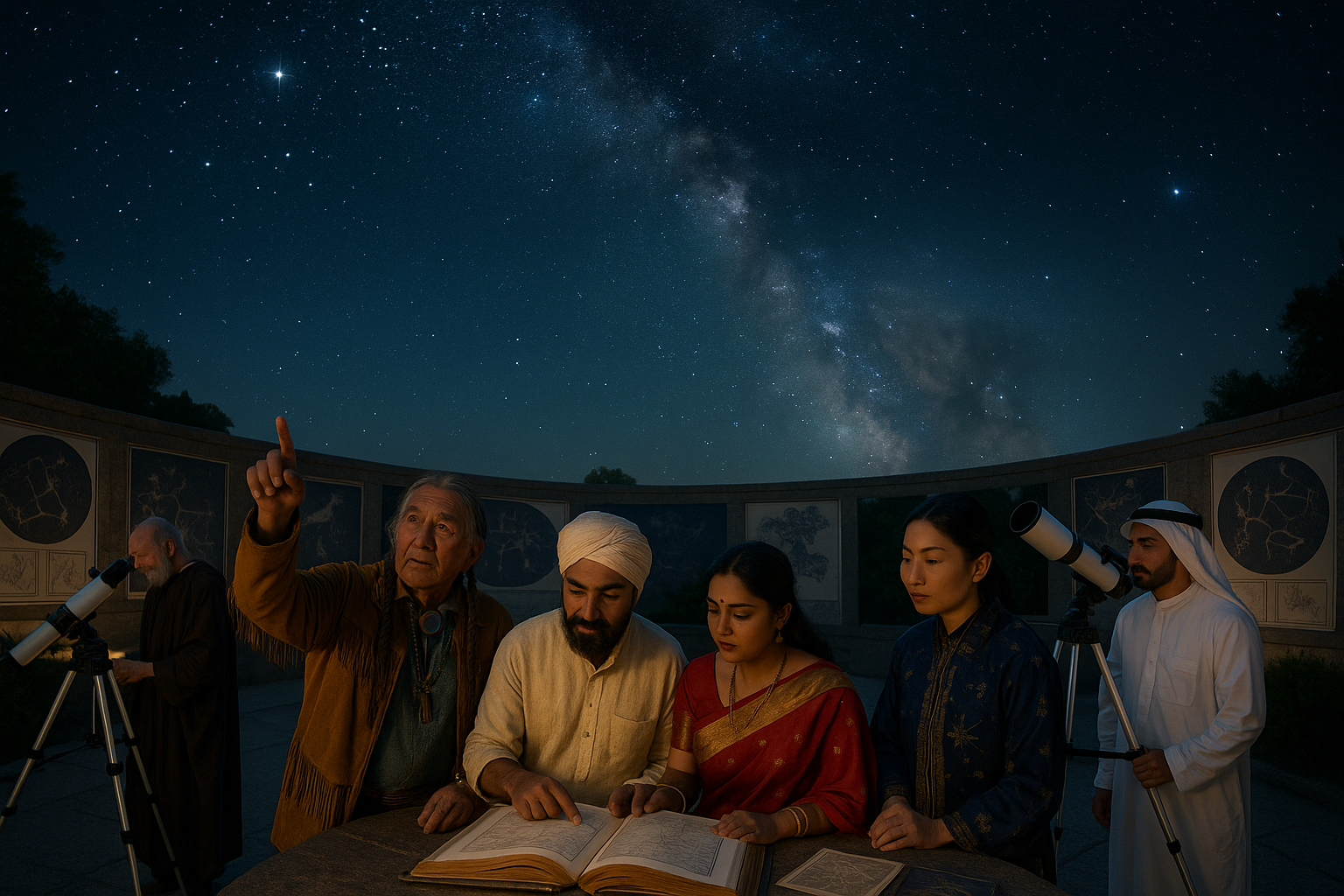
As we embark on this journey into the forgotten rituals and traditions of ancient tribes, we’ll uncover the mystical allure of these celestial events. From the Aurora Borealis revered by the Sami people of the Arctic to the star-studded ceremonies of the Native American tribes, each culture offers a unique lens through which we can view these phenomena. These ancient peoples possessed a keen understanding of the skies, interpreting celestial events as messages from the divine or as markers of seasonal changes crucial for survival.
Our exploration will delve into the vibrant tapestry of stories and legends that surround these sky dances. We’ll learn how the Maori of New Zealand viewed the Matariki star cluster as a harbinger of the new year, signaling a time for reflection and renewal. 🌌 Meanwhile, in the heart of Africa, the Dogon tribe’s complex astronomical knowledge continues to baffle scientists and ignite imaginations, revealing a profound connection between the cosmos and their cultural identity.
The significance of these rituals goes beyond mere spectacle. They served as vital communal activities, bringing people together in celebration and reverence. These gatherings were opportunities for tribes to pass down knowledge, strengthen social bonds, and maintain cultural continuity. As we peel back the layers of time, we’ll see how these traditions have adapted and endured, offering us valuable insights into the resilience of human culture in the face of change.
Throughout this article, we’ll also examine the impact of modernity on these ancient practices. In a world increasingly dominated by technology and rapid change, many of these traditions risk fading into obscurity. However, there’s a growing movement among indigenous communities to preserve and revitalize their cultural heritage. By understanding and supporting these efforts, we can help ensure that these mesmerizing sky dances continue to inspire future generations.
Join us as we traverse continents and centuries, guided by the light of forgotten rituals and the whispers of ancient voices. Together, we’ll unlock the secrets of the sky and rediscover the magic that has enchanted humanity since time immemorial. Prepare to be captivated by tales of wonder, resilience, and the unbreakable bond between humans and the heavens above. 🌠
Conclusion
## A Timeless Connection to the Cosmos
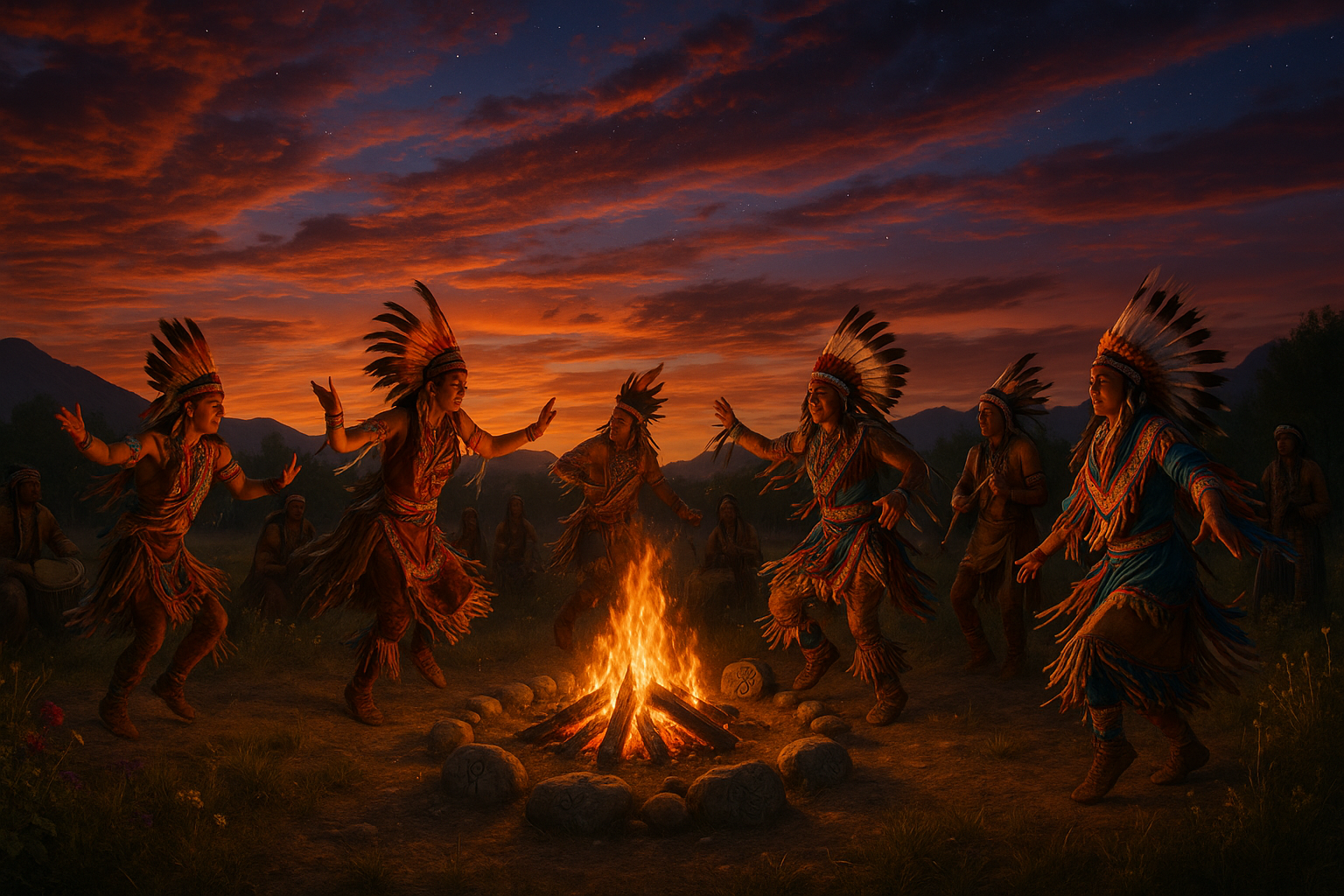
The ancient sky dances we’ve explored throughout this article represent far more than mere entertainment or ritual movements. They stand as testament to humanity’s enduring fascination with the celestial realm and our ancestors’ profound understanding of the rhythms that govern our universe. From the intricate movements of Polynesian navigators who danced the star paths into memory, to the ceremonial performances of indigenous peoples who marked the solstices and equinoxes, these traditions reveal a sophisticated astronomical knowledge wrapped in artistry and spiritual meaning. Each twirl, each carefully choreographed step, carried within it generations of observation, wisdom, and reverence for the cosmic forces that shaped daily life.
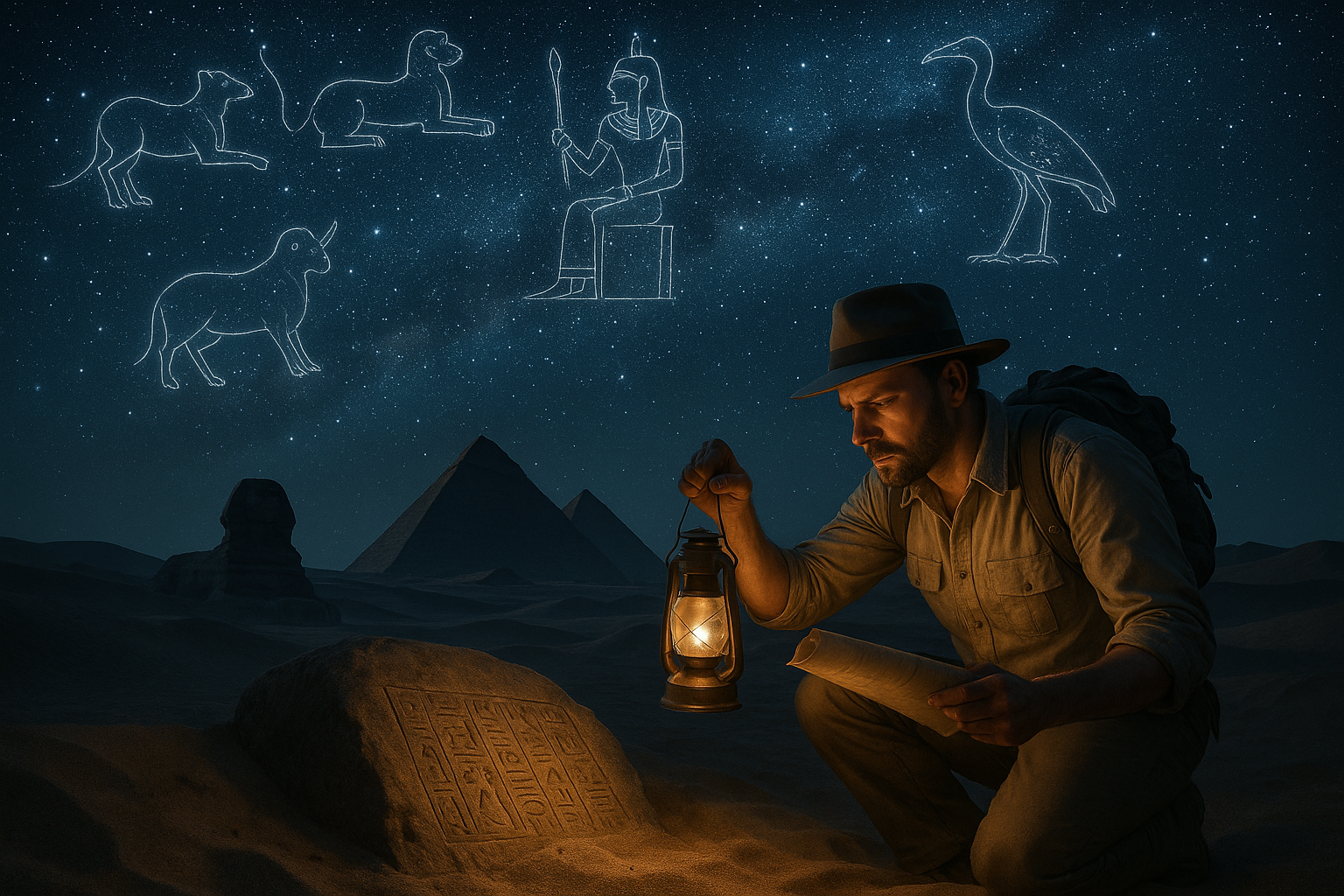
What makes these ancient practices particularly remarkable is their universal presence across cultures separated by vast oceans and continents. Whether performed in the temples of ancient Egypt, on the plains of North America, or in the villages of Southeast Asia, sky dances shared common themes: honoring the sun’s life-giving power, acknowledging the moon’s mysterious cycles, and celebrating the eternal wheel of the seasons. These similarities suggest something fundamental about the human experience—a shared need to physically express our relationship with the heavens and to find our place within the grand cosmic dance.
Today, as we rediscover and preserve these ancient traditions, we’re not simply looking backward with nostalgia. We’re reclaiming a holistic way of understanding our world that modern society has largely forgotten, one that recognizes the deep connections between earth and sky, movement and meaning, body and cosmos. The ancient sky dances remind us that we are, and have always been, participants in something far greater than ourselves—a celestial performance that continues across the ages, inviting each generation to look up, wonder, and move in harmony with the stars.