Have you ever gazed up at the night sky, mesmerized by the stars, and wondered how ancient civilizations navigated vast oceans and uncharted lands using only celestial bodies? ✨ The art of celestial mapping is a testament to human ingenuity, a skill that allowed our ancestors to explore and connect the world long before the advent of modern technology. In this article, we delve into the secrets of lost celestial mapping, uncovering ancient methods for navigating the stars that still captivate and inspire us today.

For millennia, humans have turned their eyes toward the heavens, seeking guidance and knowledge from the stars. The celestial sphere, a seemingly infinite expanse of twinkling lights, served as both a map and a compass for explorers and adventurers across cultures and continents. From the Polynesians navigating the vast Pacific Ocean to the Vikings traversing the North Atlantic, celestial navigation was a universal language that transcended borders and eras. But how did these ancient mariners unlock the secrets of the stars? And what can we learn from their techniques in today’s digital age?
In this exploration of ancient celestial mapping, we will journey through time and space to uncover the ingenious methods our ancestors used to find their way. We will examine the tools and techniques that made it possible for them to read the stars with precision and confidence. Along the way, we’ll discover how these age-old practices laid the groundwork for modern astronomy and navigation, influencing the way we perceive the cosmos.
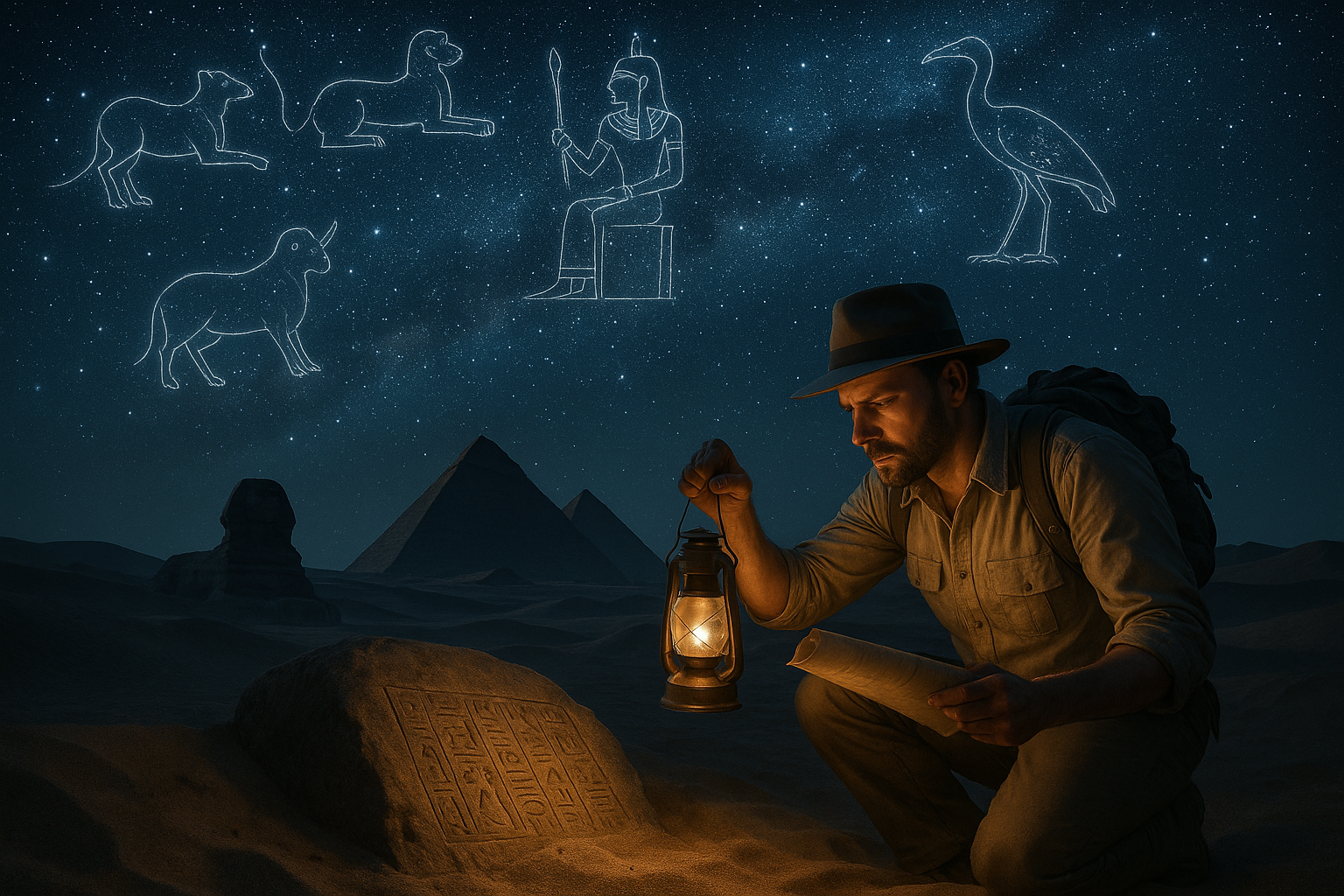
Our journey begins with the understanding of the celestial sphere and its significance in ancient navigation. The celestial sphere is an imaginary globe that surrounds the Earth, with stars and celestial bodies fixed upon it. By understanding its structure, ancient navigators were able to determine their position and direction. We will explore how cultures such as the Greeks and Egyptians contributed to this foundational knowledge, and how their insights continue to resonate in today’s scientific community.
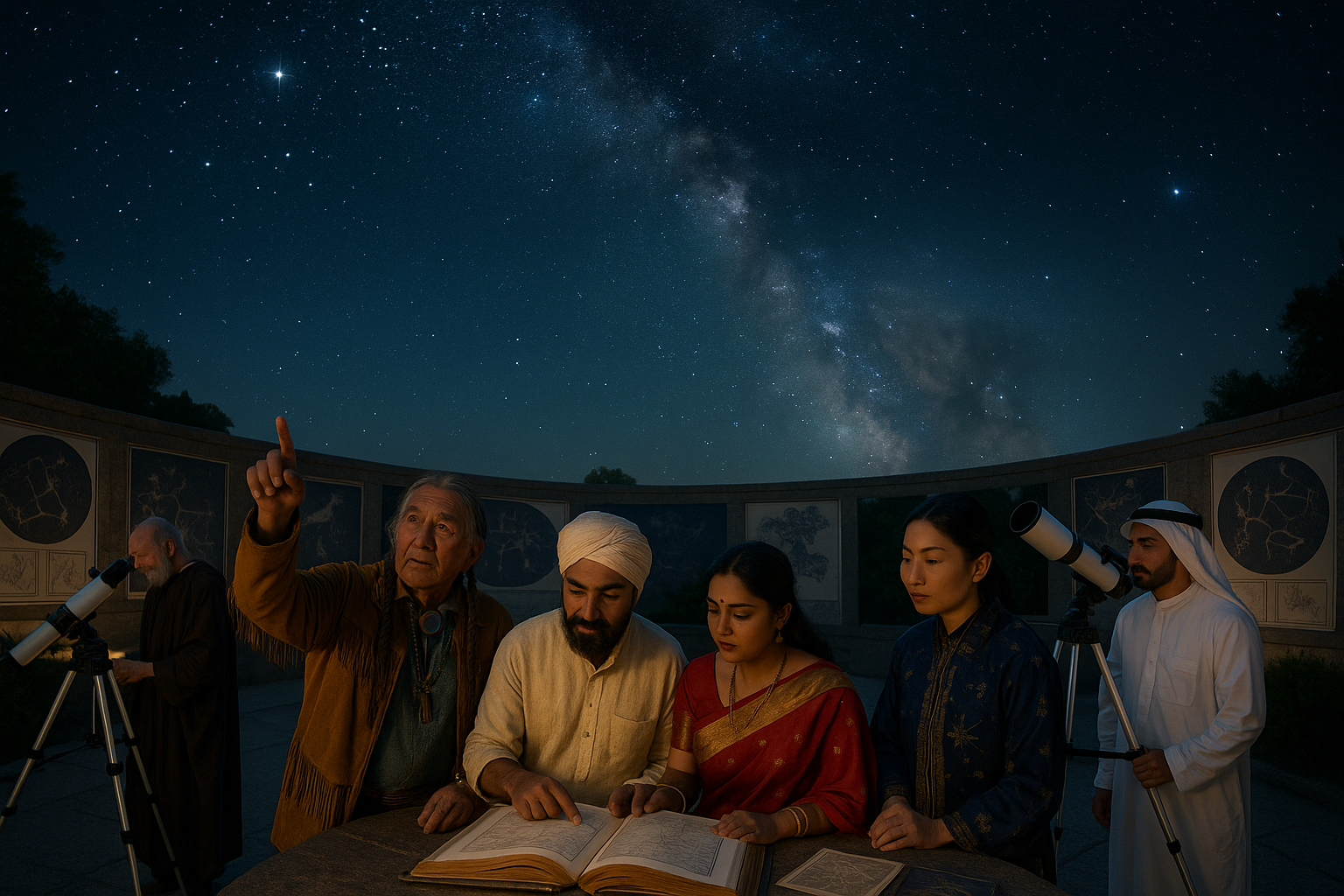
Next, we will delve into the specific techniques employed by different cultures for celestial navigation. From the star paths of the Polynesians to the sun compasses of the Vikings, each method reveals a unique approach to understanding the night sky. These techniques were not merely practical tools; they were deeply embedded in the cultural and spiritual lives of the people who used them. 🌌 By studying these practices, we gain a richer appreciation of the ways in which humans have always sought to connect with the cosmos.
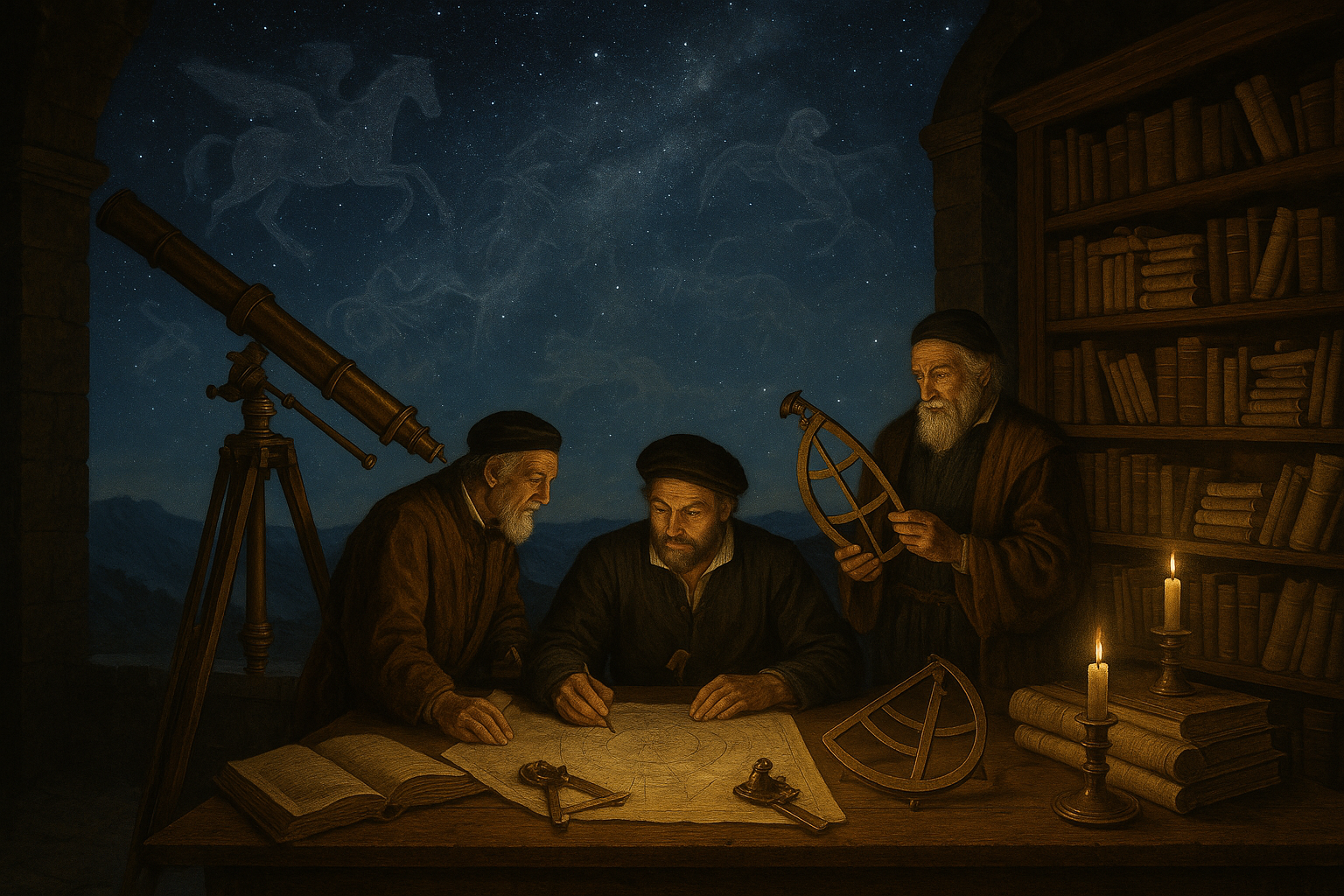
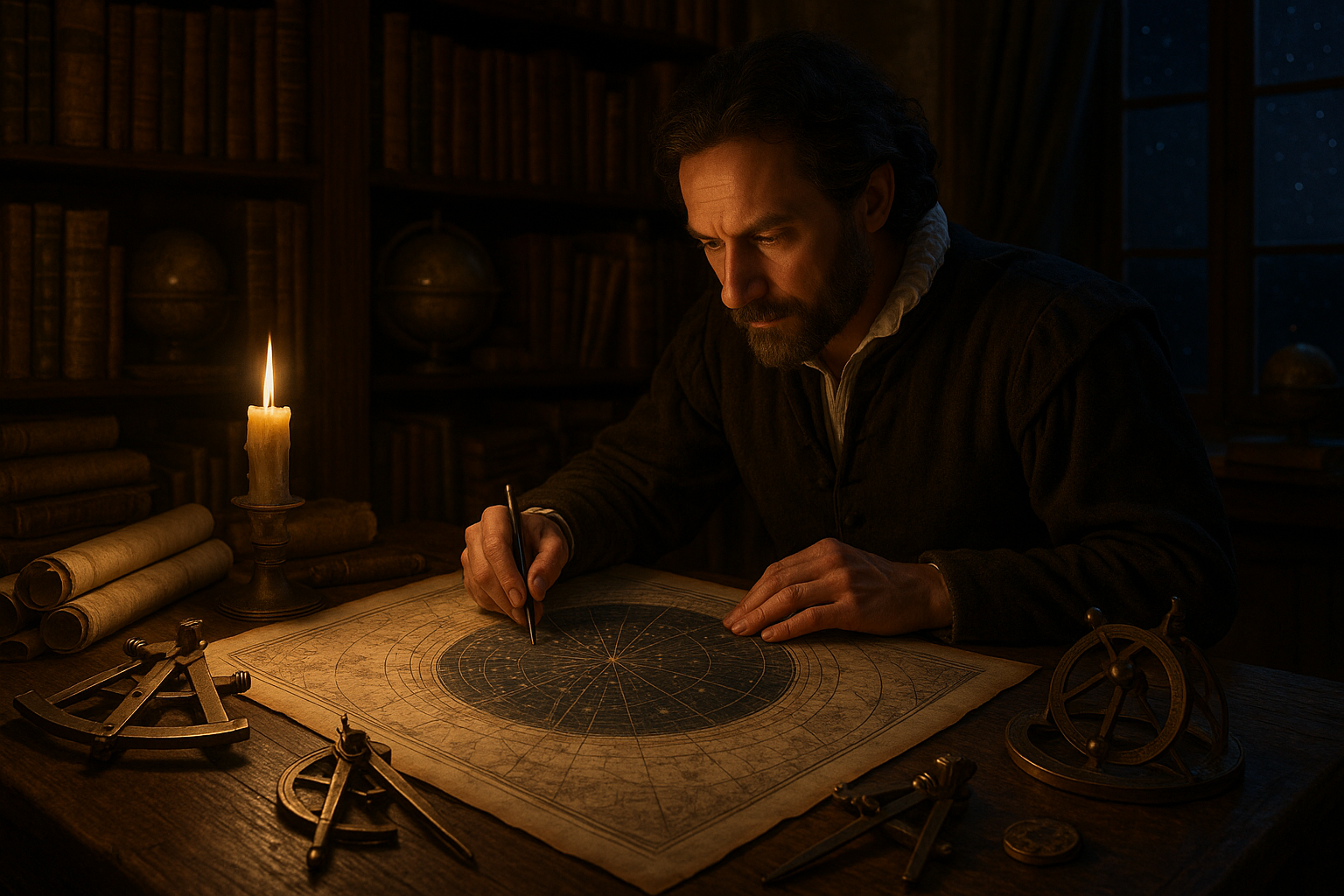
One cannot discuss celestial navigation without mentioning the instruments that facilitated this ancient art. We will take a closer look at the tools that were essential for star-based navigation, such as the astrolabe and the sextant. These instruments, though simple by today’s standards, represent remarkable achievements in scientific innovation and craftsmanship. We’ll explore how they were used to measure angles between celestial bodies, providing vital data for navigation.
As we continue our exploration, we will also consider the role of celestial navigation in modern times. While technology has transformed the way we travel and explore, the principles of celestial mapping remain relevant. We’ll discuss how these ancient techniques are still taught and practiced today, offering a timeless connection to our past and a unique perspective on our place in the universe. 🌠
Finally, we’ll reflect on the broader implications of celestial mapping for our understanding of human history and culture. The study of ancient navigation techniques reveals not only the technical prowess of our ancestors but also their deep-seated curiosity and desire to explore the unknown. By unlocking the secrets of lost celestial mapping, we open a window into the human spirit and our relentless quest to chart the uncharted.
Join us on this captivating journey through the stars, as we uncover the mysteries of celestial mapping and celebrate the timeless art of navigating by the night sky. Through this exploration, we hope to inspire a renewed appreciation for the wonders of the universe and the remarkable ingenuity of those who came before us. Whether you’re a seasoned navigator, a history enthusiast, or simply a lover of the stars, there’s something in this journey for everyone. Let’s embark on this cosmic adventure and rediscover the ancient wisdom that has guided humanity across the ages. 🚀
Conclusion
## Conclusion
The remarkable achievements of ancient astronomers continue to astound modern researchers as we uncover the sophisticated methods they employed to chart the heavens. From the Babylonians who meticulously recorded celestial movements on clay tablets to the Polynesians who navigated vast oceans using only the stars, these early sky watchers possessed an extraordinary understanding of the cosmos that rivaled many tools we use today. Their legacy isn’t merely one of astronomical observation but represents humanity’s enduring quest to understand our place in the universe. The precision of structures like Stonehenge, the mathematical elegance of Mayan calendars, and the detailed star catalogs of ancient China demonstrate that our ancestors were far more advanced in their astronomical knowledge than previously believed.
What makes these ancient star mapping techniques particularly fascinating is how they seamlessly blended science with culture, religion, and daily life. These weren’t just academic exercises performed by isolated scholars but vital systems that governed agriculture, navigation, religious ceremonies, and the very structure of society itself. The secrets we’re unveiling today remind us that innovation doesn’t always mean moving forward with new technology—sometimes it means looking back to rediscover wisdom that has been lost or overlooked through the centuries.
As we continue to decode ancient astronomical records and understand the methods behind them, we gain not only historical insights but also a deeper appreciation for human ingenuity across cultures and time periods. These ancient star mappers worked without telescopes, computers, or modern mathematics, yet they mapped the cosmos with stunning accuracy. Their achievements stand as a testament to what dedicated observation, pattern recognition, and the human intellect can accomplish when we turn our eyes skyward and dare to understand the infinite.