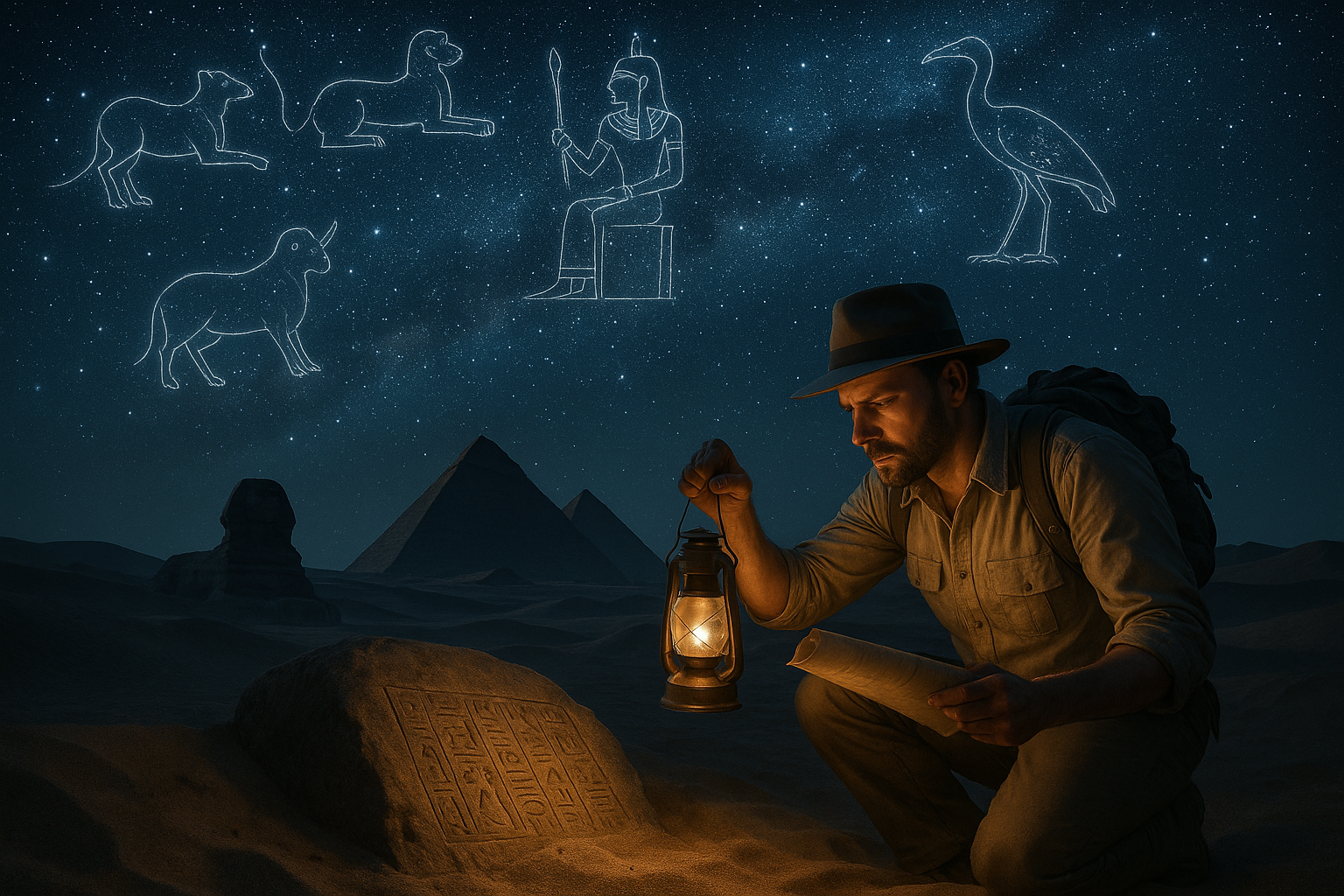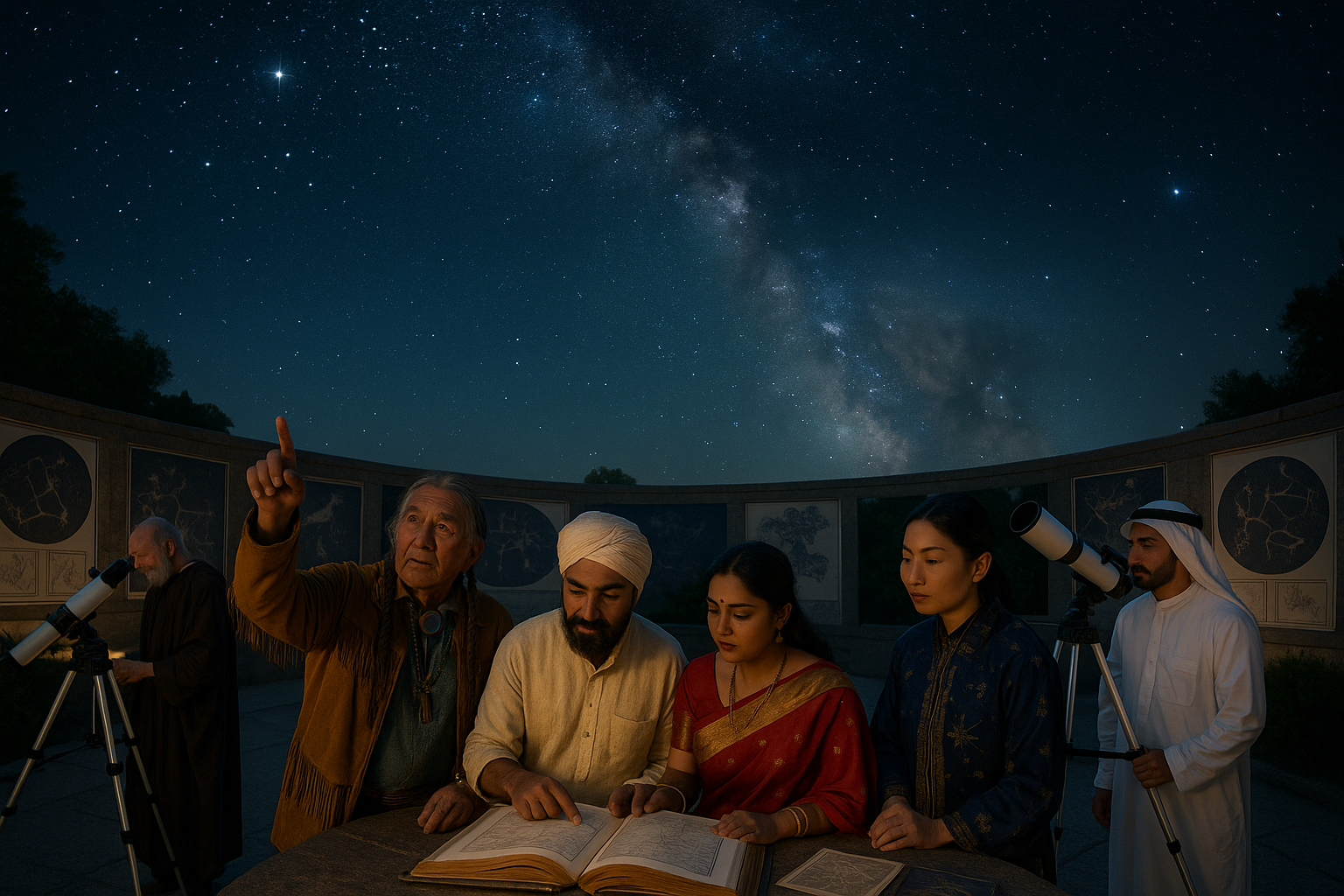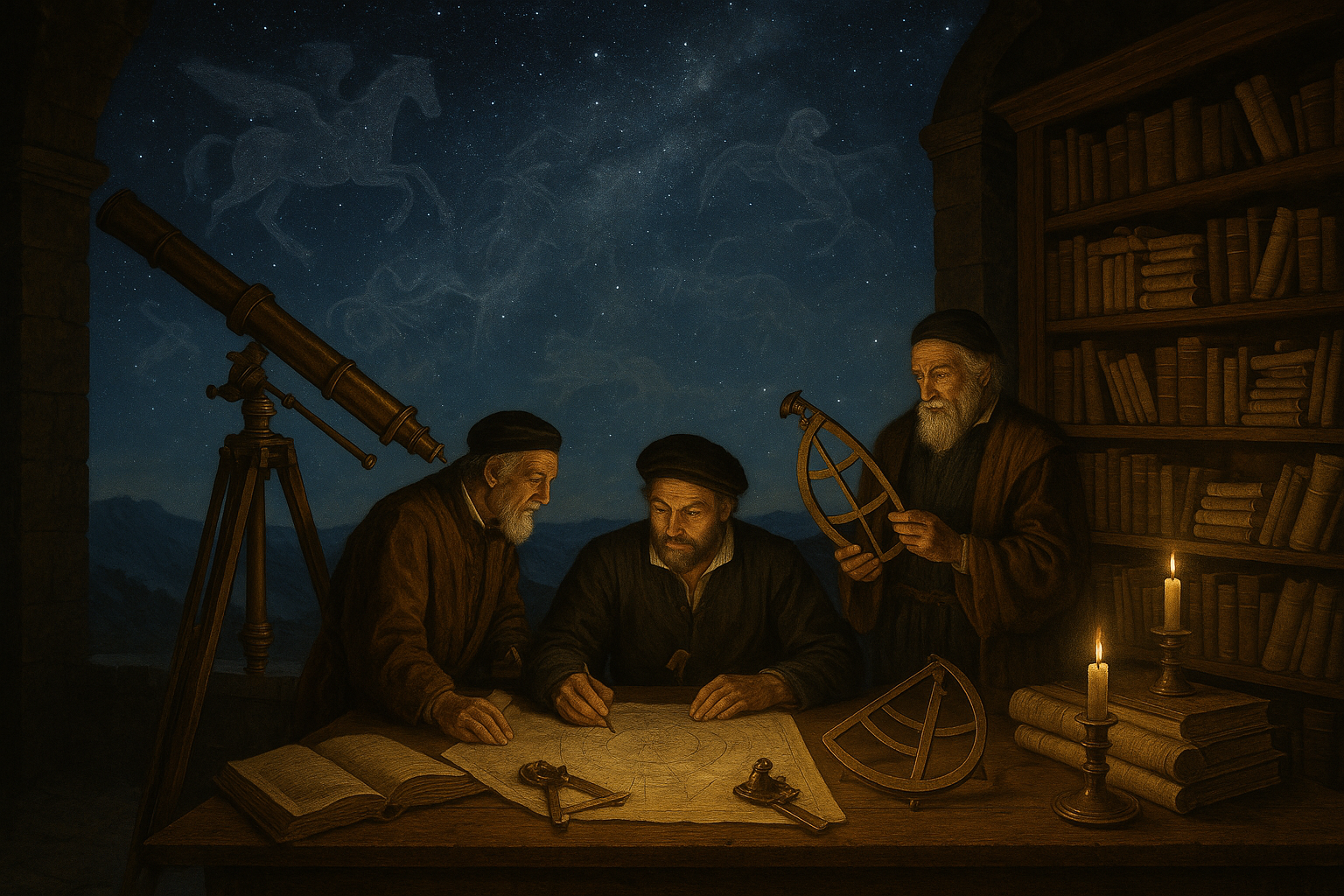
Have you ever gazed up at the night sky, feeling a sense of wonder and curiosity about the mysteries of the cosmos? Imagine if ancient civilizations, with their profound connection to the universe, left behind cryptic messages etched in stone. These messages, known as astral glyphs, are enigmatic symbols that have baffled scholars and enthusiasts for centuries. ✨

In this article, we embark on a captivating journey to unlock the secrets of these ancient astral glyphs, those celestial hieroglyphs that hold the key to understanding how our ancestors perceived and interacted with the cosmos. We will delve into the heart of these forgotten symbols, exploring their origins, meanings, and the enduring allure they hold for modern researchers and sky-gazers alike.
Throughout history, countless cultures have gazed at the stars, drawing inspiration and knowledge from the celestial bodies above. From the Mayans to the Egyptians, and the Babylonians to the indigenous peoples of the Americas, ancient societies developed complex systems of astronomy and astrology. They embedded their cosmic understanding in intricate glyphs that continue to intrigue us today.
Our journey will begin by exploring the diverse origins of astral glyphs, highlighting how different civilizations interpreted the cosmos through their unique cultural lenses. We’ll uncover how these symbols were not merely artistic expressions but served as vital tools for tracking celestial events, predicting seasonal changes, and even guiding spiritual practices.
Next, we’ll delve into the intriguing process of deciphering these ancient symbols. Despite the passage of time, modern technology and innovative approaches have paved the way for breakthroughs in our understanding of these glyphs. We’ll discuss the role of cutting-edge techniques such as digital imaging, 3D modeling, and artificial intelligence in unraveling the mysteries hidden within these ancient carvings.
The journey doesn’t stop there. We’ll also examine the symbolic significance of specific astral glyphs, revealing the stories and myths they encapsulate. Each symbol carries its own narrative, offering us glimpses into the beliefs and values of ancient societies. From constellations and planetary movements to solar and lunar cycles, these glyphs were deeply intertwined with the cultures that created them.
As we navigate this celestial tapestry, we will also reflect on the enduring impact of astral glyphs on contemporary astronomy and astrology. These ancient symbols continue to inspire modern interpretations, bridging the gap between past and present. 🌌
Moreover, we’ll explore the challenges and controversies that accompany the study of astral glyphs. Interpretations can vary widely, leading to debates among scholars and enthusiasts. We’ll address how differing perspectives can enrich our understanding, while also considering the risks of misinterpretation and cultural appropriation.
Finally, our journey will culminate in a reflection on the timeless allure of the cosmos and the universal human quest for knowledge. In deciphering these ancient symbols, we not only uncover the secrets of the past but also reconnect with the enduring wonder that the stars inspire in us all.
So, join us as we unlock the secrets of ancient astral glyphs, a journey that transcends time and space, inviting you to become a part of a story written in the stars. 🚀
Conclusion
## Conclusion
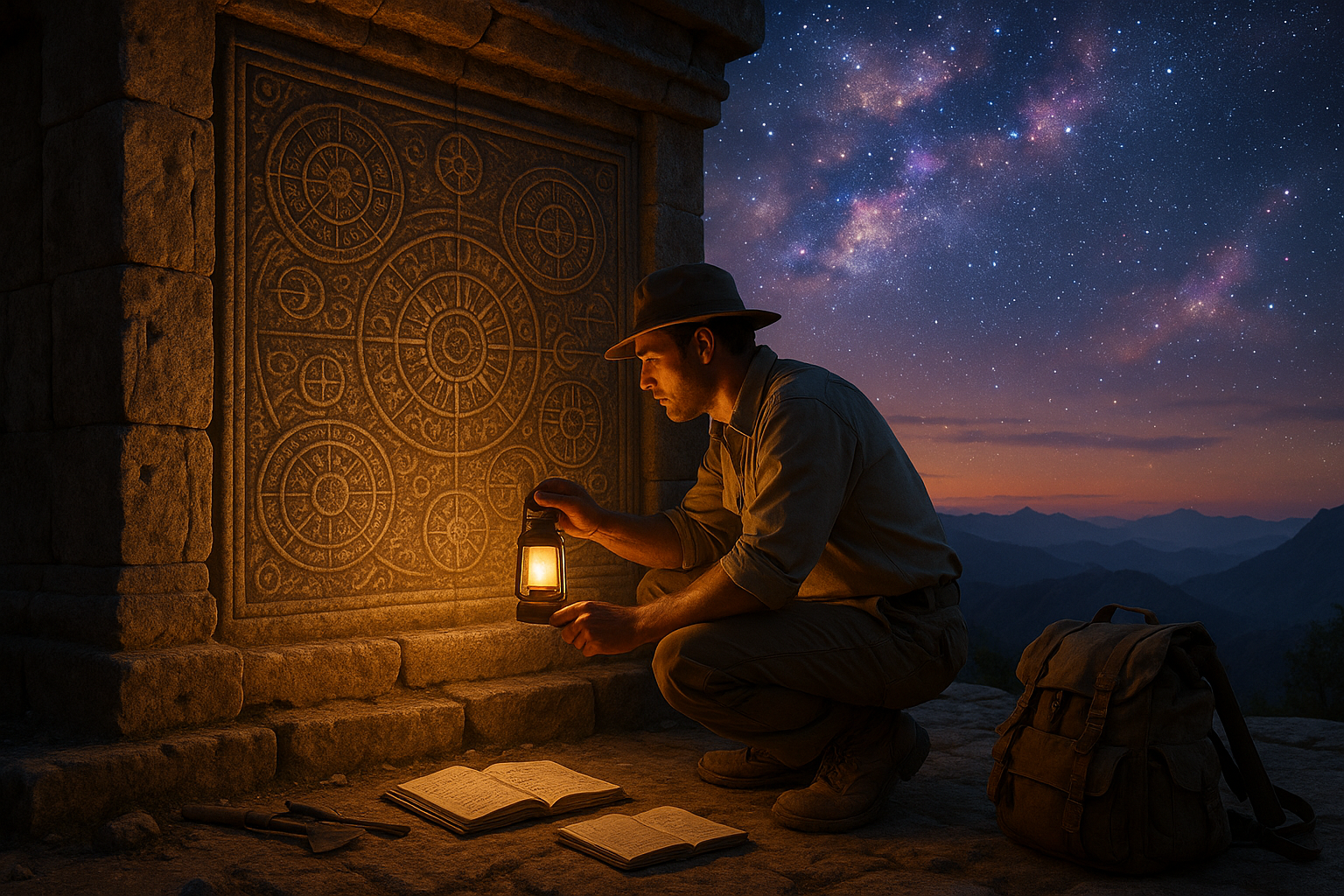
The journey through ancient astral glyphs reveals far more than just primitive attempts at recording celestial events. These intricate symbols represent humanity’s earliest efforts to understand our place in the cosmos, bridging the gap between earthly existence and the mysterious movements of the heavens above. From the star maps carved into Lascaux cave walls to the sophisticated astronomical calendars of the Maya and the celestial navigation guides of Polynesian wayfinders, these glyphs demonstrate a universal human impulse to decode the night sky. They weren’t merely decorative or superstitious—they were practical tools for survival, agriculture, navigation, and the organization of increasingly complex societies.
What makes these ancient symbols particularly fascinating is how they continue to challenge and expand our understanding of early civilizations. Each newly discovered glyph or reinterpreted symbol forces us to reconsider the technological and intellectual capabilities of our ancestors. The precision found in structures like Stonehenge, the astronomical accuracy embedded in Babylonian tablets, and the mathematical sophistication within Mayan codices all suggest that ancient peoples possessed knowledge systems far more advanced than previously credited. These weren’t simple observers casually noting patterns—they were dedicated astronomers conducting systematic studies over generations, passing down accumulated wisdom through carefully preserved symbolic languages.
As we continue to uncover and decipher these ancient astral glyphs, we’re not just learning about the past—we’re reconnecting with a fundamental aspect of human consciousness that spans millennia. These symbols remind us that our fascination with the stars isn’t a modern phenomenon born from space telescopes and satellite imagery, but rather an ancient inheritance that defines what it means to be human. Understanding these glyphs isn’t merely an academic exercise; it’s a way of honoring the countless generations who looked up at the same stars we see today and dared to search for meaning in their patterns.