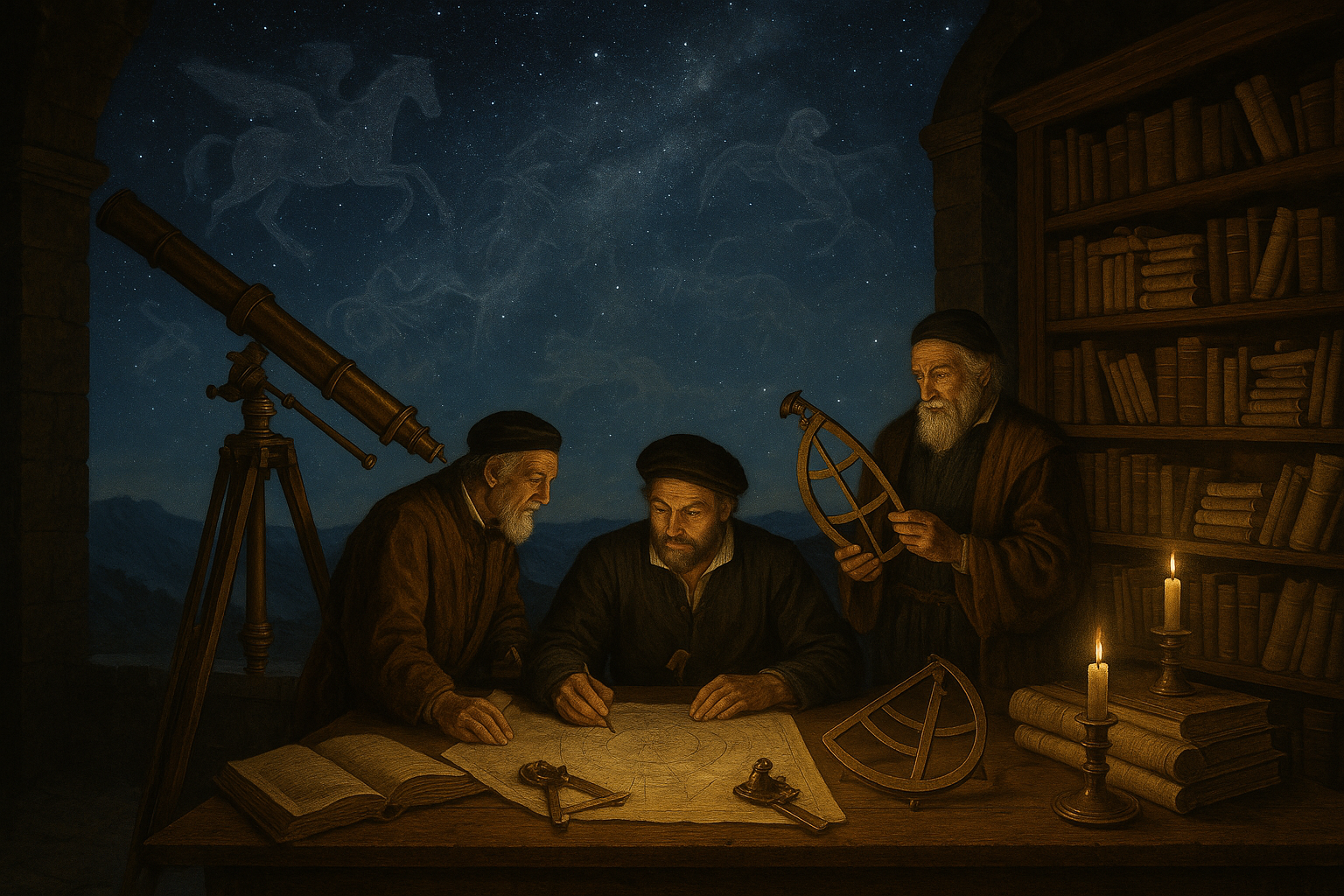
Imagine a world where the night sky was the ultimate canvas, a vast tapestry of stars whispering secrets to those who dared to dream. In ancient times, long before the advent of telescopes and modern astronomy, our ancestors gazed upon the cosmos with a sense of wonder and curiosity. It was a time when the celestial sphere was not just a spectacle to behold, but a source of inspiration and understanding. 🌌

Throughout history, various cultures have looked to the stars for guidance, creating myths, legends, and even entire belief systems around the constellations they observed. Yet, the connection between ancient societies and the cosmos goes beyond mere stargazing. It finds expression in the very artifacts that have survived through millennia—pottery.
In this article, we delve deep into the fascinating world of ancient pottery, unearthing the mysteries that lie within the intricate star patterns etched into these historical relics. Pottery, often regarded as one of the most enduring forms of human expression, serves as a tangible link to our past, revealing the profound relationship our ancestors had with the universe.
From the enigmatic motifs of the ancient Greeks to the star-studded designs of the Indigenous peoples of the Americas, pottery offers a unique glimpse into how different civilizations perceived the cosmos. These patterns are more than mere decoration; they are a testament to the sophisticated understanding of astronomy that ancient cultures possessed. They speak of a time when art and science were intertwined, when creativity and knowledge coexisted in perfect harmony.
But what do these star patterns truly signify? How did ancient potters manage to capture the essence of the cosmos in their creations? And what can we learn from these ancient artifacts today? These are the questions that will guide us as we embark on a journey through time, exploring the intricate connections between ancient pottery and the celestial realm.
As we delve into this topic, we will uncover the symbolism behind the star patterns, examining how they reflect the cosmological beliefs and astronomical knowledge of ancient civilizations. We will also explore the techniques and materials used by potters to bring these designs to life, shedding light on the artistry and craftsmanship that defined their work.
Moreover, this exploration will take us across continents and cultures, revealing the universal fascination with the night sky that transcends time and space. Whether it’s the iconic Greek kylixes, adorned with constellations and mythological narratives, or the intricate Anasazi pottery of the American Southwest, each piece tells a story of its own, offering insights into the lives and minds of those who created them.
In addition, we will consider the modern implications of these ancient artifacts. In a world increasingly dominated by technology, what can we learn from the way our ancestors interacted with the cosmos? How can the study of ancient pottery inspire contemporary artists and scientists alike, fostering a renewed appreciation for the natural world and our place within it?
Join us as we uncover the secrets of the stars, etched in clay and painted with the colors of a thousand sunsets. This is a tale of exploration and discovery, a tribute to the ingenuity and imagination of those who came before us. So, let us embark on this cosmic journey together, as we unveil the mysteries hidden within ancient pottery and the star patterns that continue to captivate our imagination. 🚀
Prepare to be inspired, intrigued, and enlightened as we navigate through this fascinating intersection of art, science, and history. The stars have stories to tell, and it is through the lens of ancient pottery that we can begin to understand the profound connection between humanity and the cosmos. Let’s dive into this celestial tapestry and discover the wonders that await. ✨
Conclusion
## Conclusion
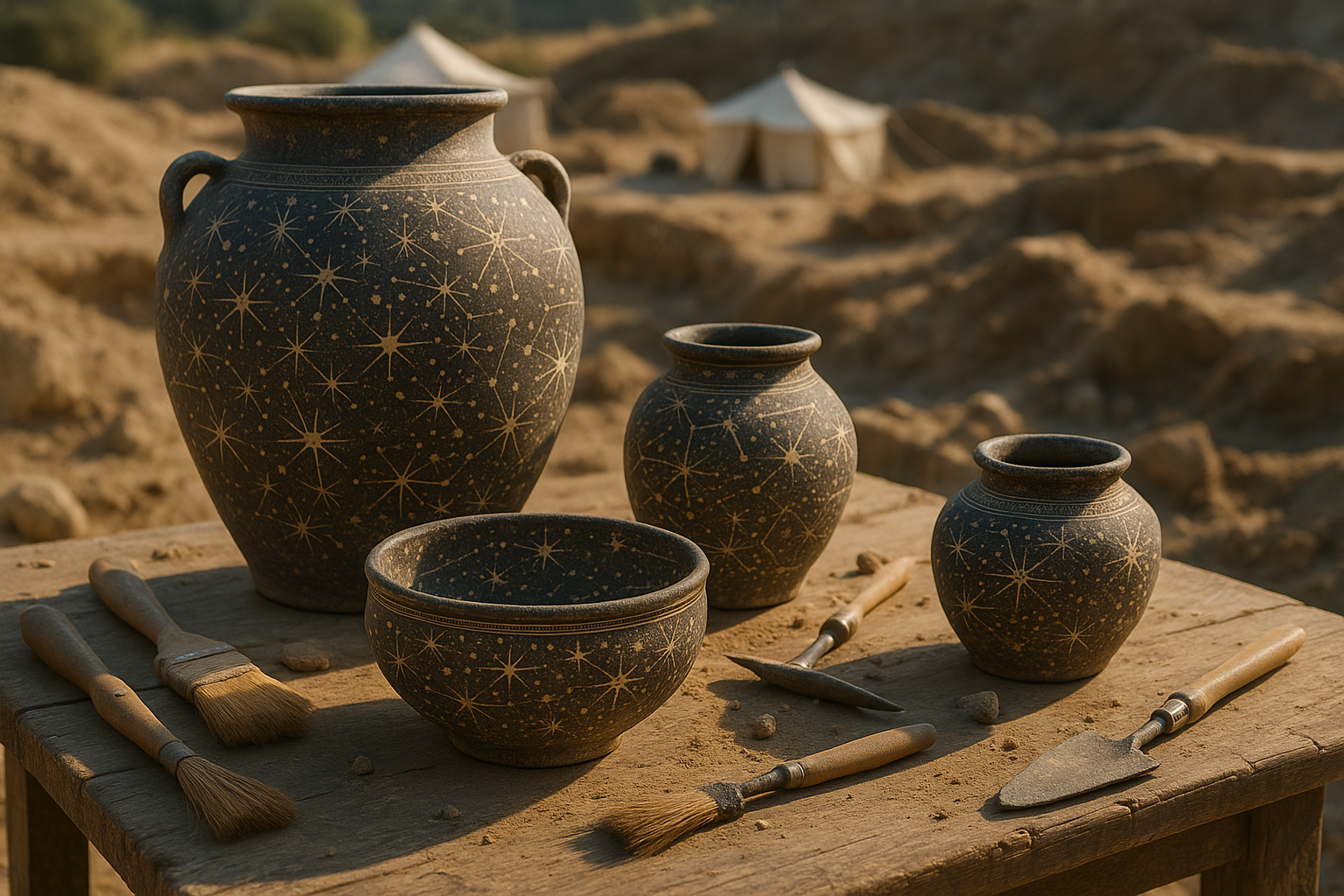
The cosmic patterns adorning ancient pottery offer us far more than aesthetic pleasure—they provide a window into the minds and worldviews of civilizations long past. From the spiraling galaxies etched into Neolithic vessels to the celestial maps painted on Greek amphorae, these designs reveal humanity’s timeless fascination with the heavens above. Our ancestors didn’t simply observe the stars; they internalized cosmic rhythms and translated them into clay, creating functional art that bridged the earthly and the divine. Whether these patterns served religious purposes, marked agricultural seasons, or expressed mathematical understanding, they demonstrate a sophisticated awareness of natural cycles that governed ancient life.
What makes these cosmic motifs particularly remarkable is their universality across cultures that had no contact with one another. The appearance of similar stellar patterns, lunar phases, and solar symbols on pottery from Mesopotamia to Mesoamerica suggests something profound about human consciousness and our instinctive need to understand our place in the universe. These weren’t random decorations but deliberate choices that reflected shared questions about existence, time, and the forces that shaped the world. Modern archaeoastronomy continues to uncover new meanings in these designs, revealing astronomical knowledge that was previously attributed only to later civilizations.
As we hold these ancient vessels in museums or study them in photographs, we’re touching something fundamental about human nature. The potters who shaped clay thousands of years ago were asking the same questions we ask today when we gaze at the night sky, and their answers—preserved in ceramic form—remind us that wonder and curiosity are the threads connecting every generation. The cosmos that inspired ancient hands to create these beautiful patterns is the same cosmos that continues to captivate us, making these pottery designs not relics of the past but timeless testaments to humanity’s eternal quest to understand the universe.